



What's Happening?
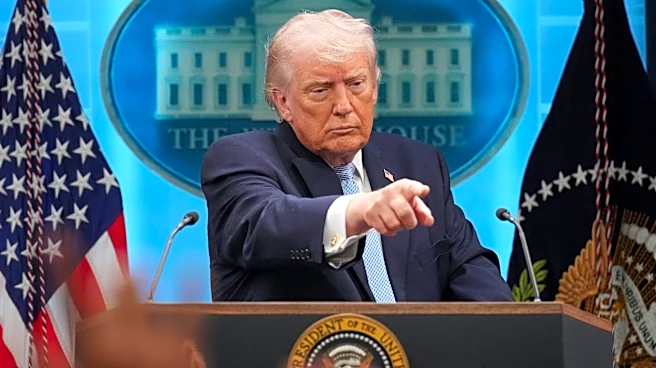
President Donald Trump has proposed a two-week ceasefire with Iran, contingent upon the complete reopening of the Strait of Hormuz. This proposal follows discussions with Pakistan, which acted as an intermediary. Trump has warned Iran of potential strikes
on its infrastructure if the Strait is not reopened by the specified deadline. The announcement has led to a significant reaction in energy markets, with oil prices dropping as traders anticipate the reopening of the key shipping lane. Trump has expressed optimism about the ceasefire, describing it as a 'big day for World Peace' and suggesting that it could lead to economic opportunities for Iran and the region.
Why It's Important?
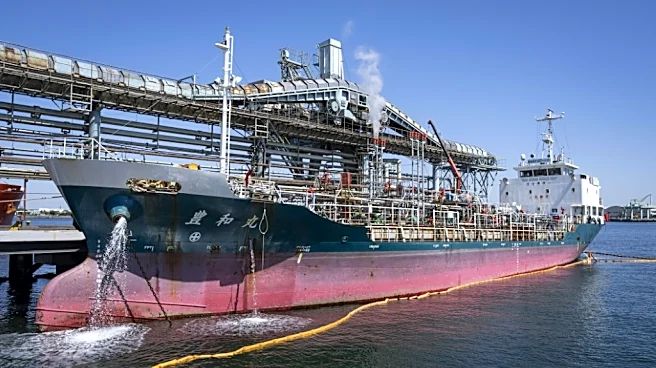
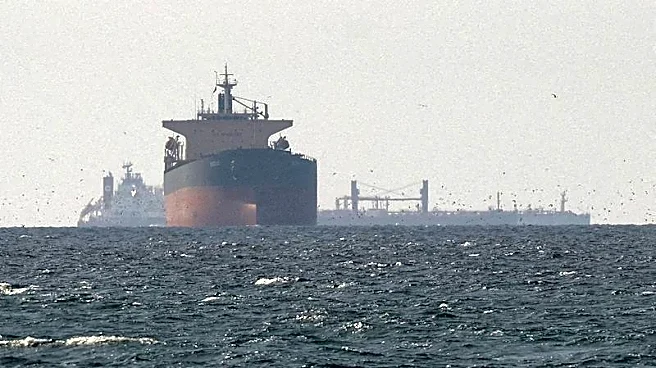
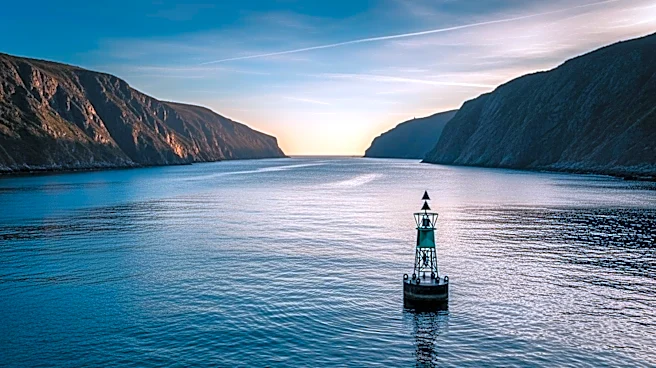
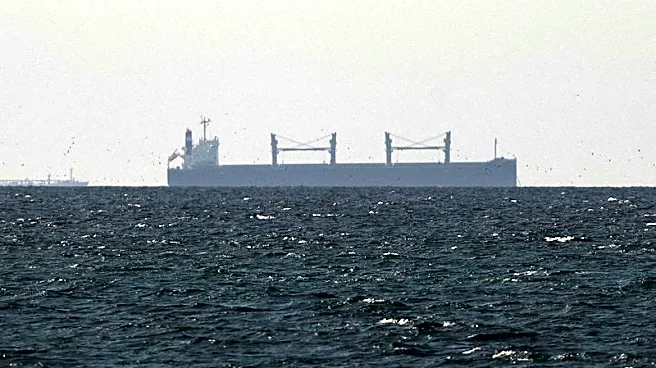
The Strait of Hormuz is a vital passage for global oil shipments, and its closure has had a substantial impact on energy markets. The proposed ceasefire and reopening of the Strait could stabilize oil prices and provide relief to economies dependent on oil exports. Trump's proposal also highlights the strategic importance of the region and the potential for diplomatic resolution to ongoing conflicts. The situation underscores the interconnectedness of geopolitical events and global economic stability, with potential implications for international trade and energy security.
What's Next?
The U.S. and Iran are expected to engage in further negotiations to finalize the terms of the ceasefire and ensure the safe passage of oil tankers through the Strait of Hormuz. The international community, including the UK, has expressed support for efforts to stabilize the region and maintain the ceasefire. The outcome of these negotiations will be closely watched, as they could set the stage for a more lasting peace agreement and influence future diplomatic relations in the Middle East.