




What's Happening?
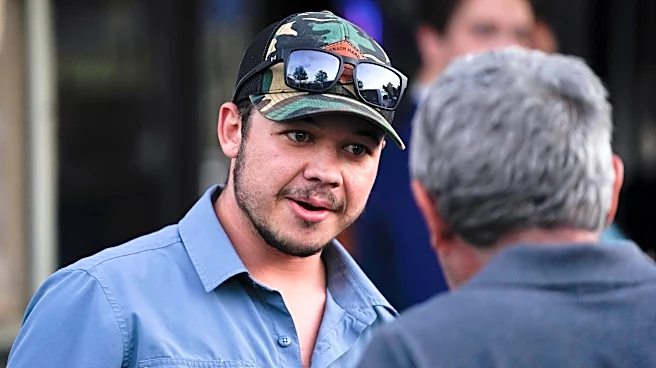
Illinois State Representative Chris Miller, a Republican serving the 101st District since 2019, has introduced House Resolution 0906 to strengthen oversight of state spending. According to the Illinois General Assembly, Miller, a third-generation cattle
farmer with a B.S. in education from Eureka College, stated on August 26 that this resolution aims to combat fraud, waste, and abuse in taxpayer-funded programs. Specifically, HR0906 targets Medicaid and grants allocated to nongovernmental organizations (NGOs). Miller criticized what he described as 'reckless spending' by Governor JB Pritzker and his administration, citing hundreds of millions spent on NGOs and undocumented immigrants while Illinois families face high taxes. He emphasized that the resolution aligns with efforts by President Trump to increase transparency and accountability in government spending, which Miller considers 'common sense.' The resolution also calls for cooperation between Illinois state agencies and federal anti-fraud reviews, audits, and enforcement efforts.
Why It's Important?
This legislative effort by Representative Miller is significant for Illinois taxpayers and the state's fiscal health. The focus on Medicaid and NGO grants highlights concerns about how public funds are managed and allocated. Increased oversight could lead to more efficient use of taxpayer dollars, potentially reducing financial burdens on residents. If successful, HR0906 could set a precedent for stricter accountability measures across various state programs, impacting how government contracts and grants are awarded and monitored. The alignment with President Trump's transparency initiatives suggests a broader political movement towards fiscal conservatism and reduced government spending, which could influence future policy debates and budget allocations in Illinois and potentially other states. The resolution also brings attention to the financial implications of state spending on NGOs and services for undocumented immigrants, a contentious issue that often sparks debate about resource allocation and public priorities.
What's Next?
The immediate next step for House Resolution 0906 will be its progression through the Illinois House of Representatives. The resolution's success will depend on gaining sufficient support from other lawmakers, particularly given the current political climate and the criticisms leveled against Governor Pritzker's administration. If passed, the resolution would mandate stricter oversight mechanisms, potentially leading to comprehensive audits and reviews of state-funded programs. This could result in changes to how Medicaid funds are managed and how grants are distributed to NGOs, possibly reallocating resources or implementing new compliance requirements. Major stakeholders, including state agencies, NGOs receiving public funds, and taxpayer advocacy groups, will likely react to these developments. Governor Pritzker's administration may need to address the concerns raised by Miller, potentially by defending current spending practices or by implementing some of the proposed oversight measures to demonstrate fiscal responsibility.
Beyond the Headlines
Beyond the immediate legislative implications, Representative Miller's initiative touches upon deeper issues of governmental trust and accountability. The call for 'ending fraud, waste, and abuse' resonates with a public often skeptical of how their tax dollars are spent. This resolution could foster a more transparent government, potentially rebuilding public confidence in state institutions. Ethically, it raises questions about the responsibility of elected officials to ensure public funds are used judiciously and effectively. The debate surrounding spending on NGOs and undocumented immigrants also highlights cultural and social divisions within the state, reflecting differing views on social welfare, immigration policy, and economic priorities. In the long term, if such oversight measures prove effective, they could lead to a more fiscally conservative approach to governance in Illinois, influencing future budget decisions and potentially shifting the balance of power in state politics.