





What's Happening?
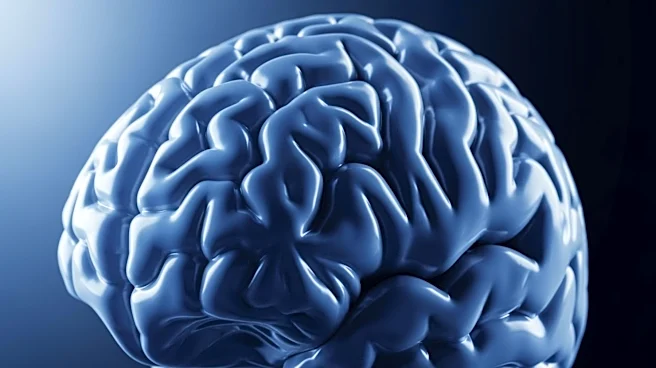
A recent study published in the journal Neuron suggests that estrogen levels in the brain's hippocampus may affect resilience to trauma. The research, conducted on mice, found that high estrogen levels in the hippocampus could worsen memory problems following
traumatic events. The study observed that male mice and female mice in the proestrus phase, when estrogen peaks, showed more memory deficits after stress. In contrast, female mice in the estrus phase, with lower estrogen levels, demonstrated resilience. The findings indicate that local estrogen production in the brain plays a significant role in stress response.
Why It's Important?
This study provides new insights into the biological mechanisms underlying stress and memory, potentially influencing future research on post-traumatic stress disorder (PTSD). Understanding how estrogen affects memory and stress response could lead to targeted therapies for PTSD, particularly in women who experience hormonal fluctuations. The research also emphasizes the importance of considering sex differences in scientific studies, as hormonal cycles can significantly impact physiological and psychological outcomes. These findings could pave the way for personalized medical approaches that account for hormonal influences on mental health.