






What's Happening?
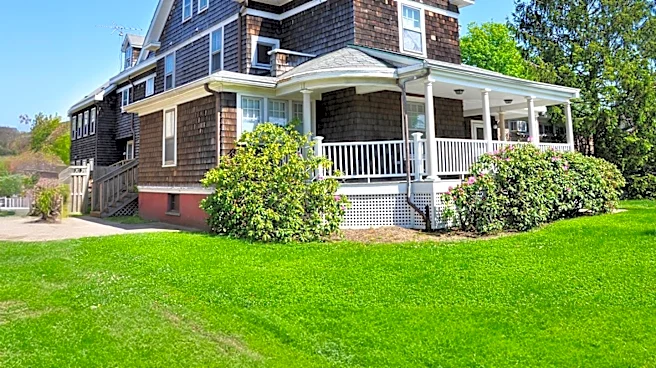
The Kennedy family's Hyannis Port compound, a historic waterfront retreat in Massachusetts, continues to be a focal point of family traditions and American political history. For nearly a century, the compound has served as the backdrop for summer celebrations,
including sailing, swimming, and competitive games. It was at this compound that John F. Kennedy spent his final Labor Day holiday in 1963, just months before his assassination. Archival footage from that weekend shows the family engaging in activities that had been central to their Cape Cod summers for decades. The compound became known as the 'seaside White House' during JFK's presidency and was where he planned his presidential campaign in 1960. The property, purchased by Joseph P. Kennedy in 1928, has expanded over the years to include multiple residences and recreational facilities, becoming a multigenerational gathering place. Its significance extends beyond its presidential connections, embodying the family's enduring legacy and traditions.
Why It's Important?
The Hyannis Port compound holds significant cultural and historical importance in the U.S., representing a tangible link to one of America's most prominent political dynasties. Its association with President Kennedy's life and presidency, including his final Labor Day, imbues it with a unique historical resonance. The compound symbolizes the 'Camelot' image often associated with the Kennedy era, influencing public perception of American political families and their private lives. The preservation of its traditions and the historical records from events held there offer valuable insights into the personal side of political figures. For historians and the public, the compound serves as a powerful reminder of a pivotal period in American history and the enduring influence of the Kennedy family on the nation's political and social landscape. Its status as a U.S. National Landmark further underscores its importance in American heritage.
Beyond the Headlines
Beyond its historical and political significance, the Kennedy compound in Hyannis Port represents a deeper narrative about family, legacy, and the intersection of private life with public service. The competitive spirit fostered among the Kennedy children through sports and activities at the compound reflects a broader cultural value placed on achievement and resilience. The compound also highlights the role of specific locations in shaping personal and political identities, demonstrating how a physical space can become intertwined with a family's narrative and national memory. The enduring appeal of the 'Camelot' image, largely cultivated through media portrayals of the family at Hyannis Port, speaks to the power of storytelling and imagery in shaping public perception of political figures. The compound's continued role as a family gathering place, despite numerous tragedies, underscores themes of continuity and resilience within a prominent American family.