






What's Happening?
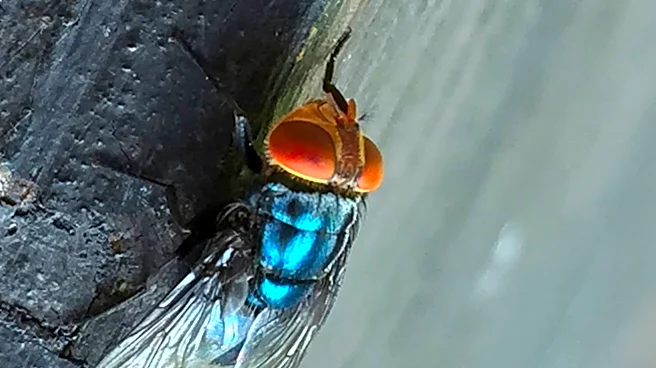
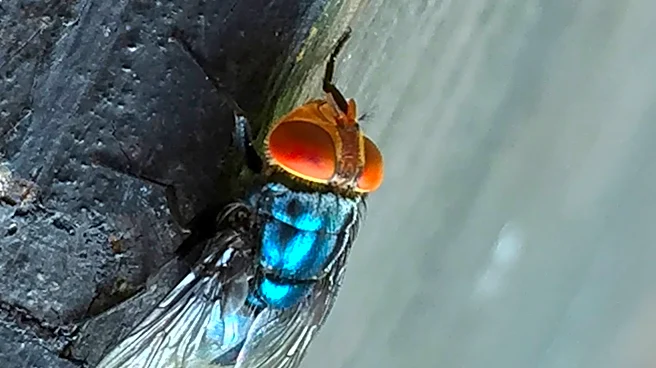
The U.S. Department of Agriculture (USDA) has confirmed three new cases of the New World screwworm, a flesh-eating parasite, affecting livestock in Texas and New Mexico. The Animal and Plant Health Inspection Service reported that two cases were found
in Texas, involving a calf in La Salle County and a goat in Gillespie County. Additionally, a case initially reported in a dog in Andrews County, Texas, has been reclassified as the first case detected in New Mexico. The screwworm larvae infest warm-blooded animals, causing severe wounds and significant economic losses. Texas Governor Greg Abbott has escalated the state's emergency response to combat the spread of the parasite. The resurgence of screwworm poses a threat to Texas's cattle industry, which is already facing challenges due to the closure of the U.S.-Mexico border to live cattle imports.
Why It's Important?
The confirmation of new screwworm cases is significant as it threatens the U.S. livestock industry, particularly in Texas, a major cattle-producing state. The parasite can cause severe animal suffering and economic losses due to increased labor and treatment costs. The closure of the U.S.-Mexico border to live cattle imports has already impacted the $100 billion U.S. beef industry, which has contracted to a 75-year low. The situation is exacerbated by a shortage of veterinarians and support staff at the USDA, following resignations during the Trump administration, raising concerns about the country's preparedness to handle animal disease outbreaks.
What's Next?
The USDA and Texas state officials are expected to continue monitoring and responding to the screwworm outbreak. The escalation of emergency operations in Texas indicates that more resources will be deployed to manage the situation. The ongoing investigation may reveal further cases, necessitating additional measures to prevent the spread of the parasite. Stakeholders in the livestock industry will likely advocate for increased support and resources to mitigate the economic impact and ensure the health of affected animals.