




What's Happening?
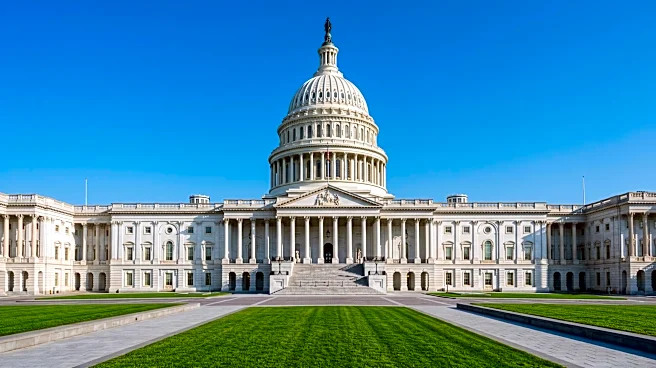
U.S. Representative Suzanne Bonamici of Oregon has introduced companion legislation in the U.S. House of Representatives for the Arts Education for All Act. This bill aims to support and expand access to arts education and programming for young learners
across the nation. The legislation was initially introduced in the Senate by U.S. Senators Mazie Hirono of Hawai’i and Ben Ray Luján of New Mexico. The Arts Education for All Act is endorsed by 132 national, state, and local organizations and individuals, including prominent groups such as Americans for the Arts, American Art Therapy Association, Carnegie Center for Literacy & Learning, Grantmakers in the Arts, and the National Association for Music Education. The bill seeks to increase states' ability to implement arts programming for various age groups, from early learners and K-12 students to youth and adults involved in the justice system. It also aims to strengthen research into arts education to better inform educators and policymakers on how the arts can support students and complement their elementary and secondary education.
Why It's Important?
The introduction of the Arts Education for All Act in both chambers of Congress underscores a bipartisan recognition of the value of arts education in the U.S. educational system. This legislation is important because it addresses a critical gap in access to arts programming, particularly for underserved communities. By expanding access, the bill could foster creativity, self-expression, and the development of new talents among young people, which are often overlooked in traditional academic curricula. The endorsement from a wide array of national and local organizations highlights the broad support for integrating arts into education and its potential positive impact on student development and well-being. Furthermore, strengthening research into arts education could provide empirical data to advocate for sustained funding and policy changes, ensuring that arts programs are not the first to be cut during budget constraints, as noted by Senator Hirono. This initiative could lead to a more holistic educational experience for millions of American students.
What's Next?
The Arts Education for All Act will now proceed through the legislative process in both the House and Senate. The companion legislation in the House, introduced by Representative Bonamici, will likely undergo committee review and potentially be brought to a vote. Given the significant endorsement from 132 organizations, there is a strong advocacy network that will likely lobby for its passage. If enacted, the legislation would require states to integrate arts education into their Elementary and Secondary Education Act plans and include information about arts courses in state report cards under the Every Student Succeeds Act. It would also enhance research activities at the Institute of Education Sciences and direct the National Assessment Governing Board to reinstate arts assessments. These steps would institutionalize arts education more firmly within the national educational framework, potentially leading to increased funding and resources for arts programs across the country.
Beyond the Headlines
Beyond the immediate legislative impact, the Arts Education for All Act touches upon deeper societal implications regarding the role of creativity and cultural literacy in national development. In an increasingly technology-driven world, fostering artistic expression can cultivate critical thinking, problem-solving skills, and emotional intelligence, which are essential for a well-rounded citizenry. The bill's focus on expanding access to arts education for youth and adults in the justice system also highlights its potential as a tool for rehabilitation and social reintegration, offering alternative pathways for personal growth and skill development. This initiative could challenge the prevailing emphasis on STEM fields by reasserting the intrinsic value of the arts, potentially leading to a cultural shift in how education is perceived and funded at both federal and state levels. The long-term success of this act could redefine educational priorities and contribute to a more creatively engaged and culturally rich society.