


What's Happening?
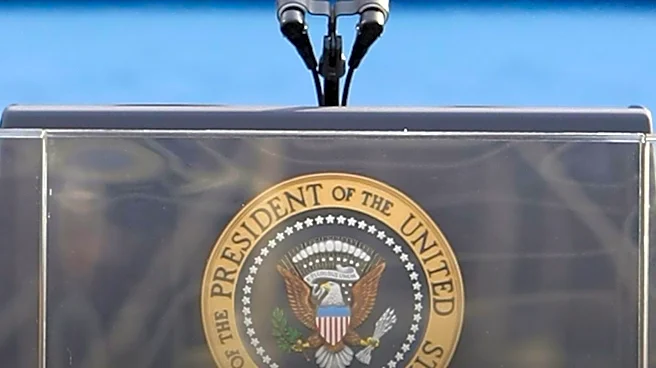
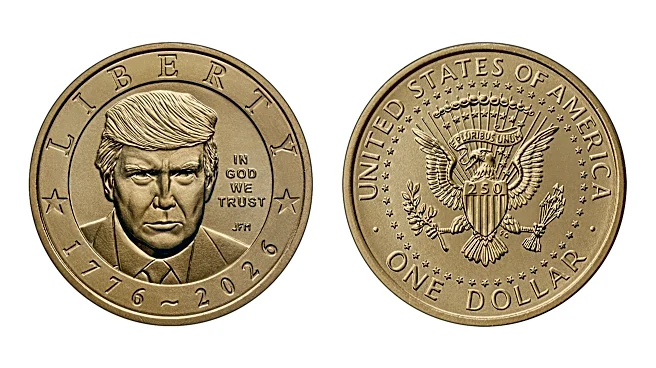
Over 100 civil society organizations have collectively condemned President Trump's threatened lawsuit against the Center for American Progress (CAP), a Democratic-leaning think tank. The threat, issued through one of President Trump's lawyers last month,
stemmed from a July report by CAP which concluded there was no evidence that his deployment of the National Guard in Washington, D.C., reduced violent crime. The coalition, spearheaded by Nonprofits Together, released a statement emphasizing the importance of free speech, association, and the press as foundational to American democracy. They expressed solidarity with CAP's right to publish evidence-based analysis of government policies without political retribution. Neera Tanden, president of CAP, described the threatened lawsuit as "baseless" and a "transparent attempt to silence us," vowing that the organization would not be intimidated. CAP, founded in 2003 by John Podesta, maintains it is an independent, nonpartisan research organization whose work is grounded in rigorous analysis.
Why It's Important?
This event highlights a significant challenge to the principles of free speech and independent research within the U.S. political landscape. The collective condemnation by a broad spectrum of civil society groups, ranging from environmental and labor organizations to those focused on civil rights and faith, underscores widespread concern over attempts to suppress critical analysis of government actions. Such actions can have a chilling effect on think tanks, academic institutions, and media organizations, potentially limiting the public's access to diverse perspectives and evidence-based information. This situation also raises questions about the role of political leaders in respecting and protecting the First Amendment rights of organizations that may offer dissenting views, and the potential for legal threats to be used as a tool for political intimidation rather than legitimate redress.
What's Next?
The Center for American Progress has pledged to resist President Trump's threatened lawsuit, indicating a potential legal battle if the lawsuit proceeds. The coalition of civil society groups will likely continue to monitor the situation and advocate for the protection of free speech and independent research. This incident may also prompt further discussions and actions among civil liberties advocates and legal experts regarding the boundaries of political discourse and the use of legal mechanisms against critical voices. The response from other political figures and institutions will be crucial in shaping the narrative around this issue and determining whether such threats become a more common tactic in political disagreements.
Beyond the Headlines
Beyond the immediate legal and political implications, this situation touches upon deeper issues concerning the health of democratic discourse and the role of information in a polarized society. The attempt to silence a think tank for its research findings can erode public trust in independent analysis and foster an environment where only agreeable narratives are tolerated. This could lead to a decline in informed public debate, making it harder for citizens to make decisions based on comprehensive information. The incident also reflects a broader trend of increasing tension between political administrations and organizations that scrutinize their policies, raising concerns about the long-term implications for transparency, accountability, and the fundamental right to dissent in the United States.