





What's Happening?
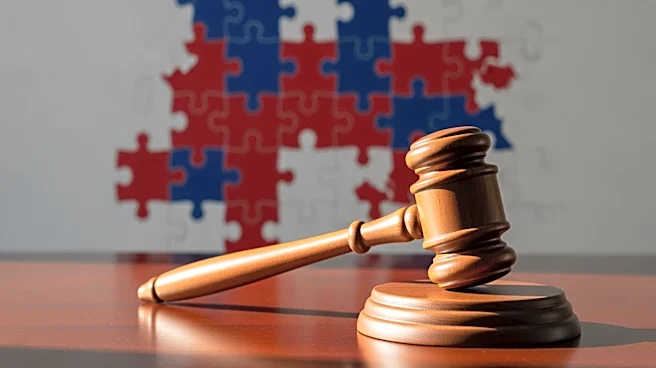
A federal judge has issued a temporary restraining order against a new Louisiana law that would have eliminated the Orleans Parish criminal clerk of court office. This decision allows Calvin Duncan, who was elected as the clerk, to take office as planned.
U.S. District Court Judge John deGravelles ruled that Senate Bill 256, signed into law by Governor Jeff Landry, is unconstitutional. The law aimed to merge the criminal clerk’s responsibilities with the civil clerk’s office, a move purportedly intended to streamline court operations. However, Duncan, an attorney and exoneree, argued that the law was designed to prevent him from assuming office, violating his constitutional rights. Duncan was elected with 68% of the vote in November. The restraining order will remain in effect for 14 days, during which time Duncan will be able to serve in his elected position.
Why It's Important?
This ruling underscores the importance of upholding electoral outcomes and protecting the constitutional rights of elected officials. The decision by Judge deGravelles highlights the judiciary's role in checking legislative actions that may infringe on democratic processes. For the residents of Orleans Parish, this ruling ensures that their electoral choice is respected, maintaining trust in the electoral system. The case also raises broader questions about the balance between state legislative actions and local governance, particularly in how state laws can impact local offices and their operations. The outcome of this legal challenge could set a precedent for similar cases where state laws are perceived to interfere with local electoral outcomes.
What's Next?
The temporary restraining order is set for 14 days, during which further legal proceedings may occur to determine the law's future. Stakeholders, including state officials and local leaders, will likely continue to debate the merits and implications of Senate Bill 256. The state may appeal the decision, seeking to enforce the law, while Duncan and his supporters will likely prepare to defend the ruling. The broader implications for state-local relations in Louisiana could prompt legislative reviews or adjustments to ensure alignment with constitutional standards.