



What's Happening?
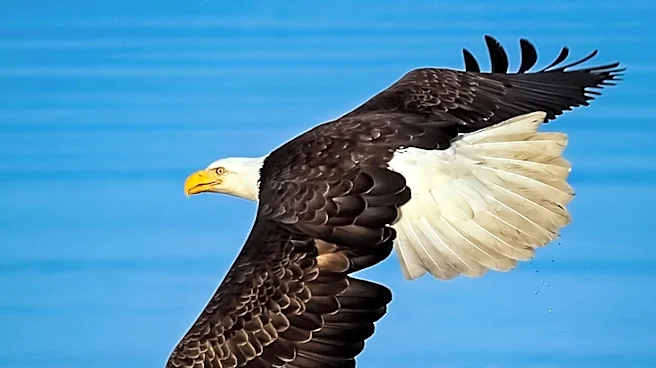
Jackie, a renowned 14-year-old bald eagle from Southern California, passed away on August 10 after weeks of treatment, leading to widespread grief among her millions of online followers and significant criticism directed at the caregivers. Jackie, who
gained international attention through a viral livestream in the Big Bear Valley, was rescued on July 18 after being found grounded following an altercation with two younger eagles. Veterinarians at the Ojai Raptor Center diagnosed her with severe anemia, emaciation, and dehydration. Despite receiving blood transfusions and oxygen therapy, her health deteriorated. State wildlife officials later indicated she suffered a large blood clot in her wing and kidney, though necropsy results are pending. Following her death, staff members at the Ojai Raptor Center and the nonprofit Friends of Big Bear Valley faced severe backlash, including repeated phone calls, unexpected visits, and harassing messages on personal social media accounts. This prompted staff to restrict public comments on updates due to the unmanageable volume of inquiries.
Why It's Important?
The public's intense reaction to Jackie's death highlights the profound emotional connection modern audiences form with wildlife through digital platforms. This phenomenon, where individuals develop deep personal attachments to animals observed via livestreams, can lead to significant public engagement but also intense scrutiny and criticism when outcomes are unfavorable. Pulitzer Prize-winning historian Jack E. Davis noted a dramatic shift in public perception of such species, moving from historical destruction to deep personal attachment. This shift can result in viewers berating staff when wildlife care efforts do not succeed, as seen in the backlash against the Ojai Raptor Center. The incident underscores the challenges faced by wildlife rehabilitation centers, which must balance transparency with managing public expectations and protecting their staff from harassment. The case also brings to light the ethical considerations of publicizing wildlife rehabilitation efforts and the potential for online communities to exert pressure on scientific and care processes.
What's Next?
Necropsy results from the San Diego Zoo Wildlife Alliance are still pending, which may provide further clarity on the exact cause of Jackie's illness and death. Her remains will eventually be transferred to the National Eagle Repository under federal law. The organizations involved, despite the online tension, continue to update the public and honor Jackie's legacy, directing supporters to a specialized resource page. Public tributes are also being organized, such as the Ontario Tower Buzzers baseball team's 'Fly High, Jackie Night' event, with a portion of ticket sales benefiting Friends of Big Bear Valley. This suggests ongoing efforts to channel public sentiment into constructive support for wildlife conservation. The incident may also prompt a reevaluation of how wildlife organizations manage public interaction and expectations surrounding livestreamed animal care, potentially leading to new guidelines for digital engagement and communication during critical events.
Beyond the Headlines
The overwhelming public response to Jackie's death reveals a broader societal trend of anthropomorphizing wildlife and the blurring lines between observation and intervention in natural processes. While digital feeds foster appreciation for nature, they also create a sense of ownership and emotional investment that can lead to unrealistic expectations for human intervention in wildlife health. This situation raises questions about the psychological impact on both the public and the caregivers, who are often dedicated professionals working under challenging circumstances. The criticism faced by the Ojai Raptor Center highlights a potential dark side of hyper-connectivity, where well-intentioned public engagement can devolve into harassment. This event could serve as a case study for understanding the complexities of public involvement in wildlife conservation in the digital age, prompting discussions on responsible viewership, the role of social media in shaping public opinion, and the need for greater empathy towards those on the front lines of animal care.