



What's Happening?
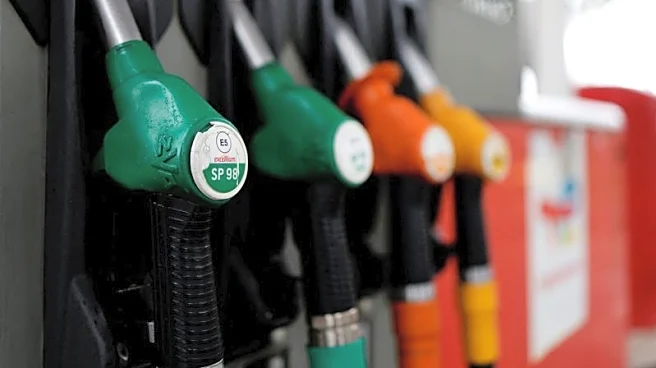
Inflation in the euro zone surged to 2.5% in March, exceeding the European Central Bank's (ECB) target of 2%. This increase from 1.9% in February is largely attributed to a sharp rise in energy prices following military operations by the U.S. and Israel
against Iran. The energy component of the inflation data rose to 4.9% in March, compared to -3.1% in February. ECB President Christine Lagarde has indicated that the central bank is closely monitoring regional data and may respond with interest rate hikes if necessary, despite the potential short-lived nature of the inflation surge.
Why It's Important?
The rise in inflation poses a challenge for the ECB as it seeks to balance economic growth with price stability. Higher inflation can erode purchasing power and impact consumer spending, which is crucial for economic recovery. The situation also highlights the interconnectedness of global events and their impact on regional economies. The ECB's response to this inflationary pressure will be closely watched by markets and could influence monetary policy decisions across the euro zone.
What's Next?
The ECB may consider adjusting its monetary policy, including potential interest rate hikes, to address the rising inflation. This decision will depend on the persistence of inflationary pressures and their impact on economic growth. The central bank's actions will be critical in shaping economic expectations and stability in the euro zone.