

What's Happening?
Burkina Faso's prosecutor general has issued international arrest warrants and extradition requests for more than 45 individuals, including former ministers, ex-army officers, and journalists, in connection with terrorism-related cases. The announcement
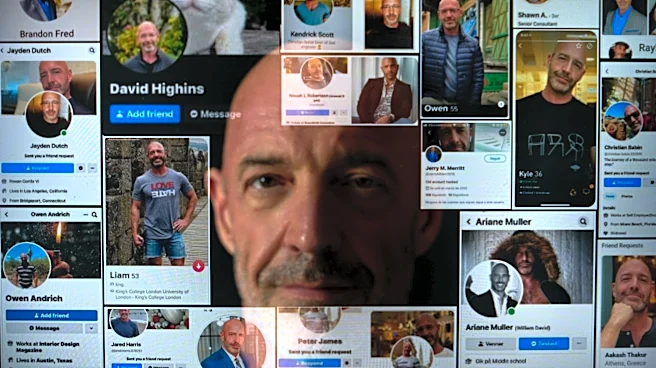
was made on Friday, November 13, by P. Désiré Sawadogo, prosecutor general at the Ouagadougou Court of Appeal. These individuals are accused of various offenses, including complicity in terrorist criminal associations, financing terrorism, illegal possession of weapons, and spreading content that glorifies armed groups. The requests for cooperation have been sent to judicial authorities in several countries, including Ivory Coast, France, and the United States. Burkina Faso has also specifically asked US authorities to contact Meta to identify and prosecute administrators of certain Facebook pages and have those pages removed. The evidence supporting these allegations has not been publicly disclosed, and none of the named individuals had publicly responded by Friday evening.
Why It's Important?
This development is significant as it extends Burkina Faso's domestic legal actions onto the international stage, directly involving the United States and other nations in its fight against terrorism. The request for US cooperation with Meta highlights the growing intersection of national security concerns and digital platforms, potentially setting precedents for how countries seek assistance in combating online content deemed supportive of terrorism. The decision by US authorities to act on these requests could influence diplomatic relations and international legal cooperation frameworks. Furthermore, the broad scope of individuals targeted, including journalists and former government officials, raises questions about press freedom and political dissent in Burkina Faso, a country that has been under military rule since 2022 and has fought armed groups for approximately a decade. The outcome of these requests will be closely watched by international human rights organizations and legal experts.
What's Next?
The immediate next steps involve the judicial authorities in the United States, Ivory Coast, France, and other recipient countries deciding whether to act on Burkina Faso's requests for arrest warrants, extradition, and mutual legal assistance. These authorities will likely review the evidence provided by Burkina Faso to determine if it meets their legal standards for such actions. The US government's response to the request concerning Meta will also be a critical point to observe, as it could influence how social media companies engage with international law enforcement requests related to terrorism. The individuals named in the warrants may also choose to respond publicly or seek legal counsel to challenge the allegations. The situation could lead to diplomatic discussions and potential legal battles in the countries where the accused reside. The prosecutor general expressed hope that the accused would be 'prosecuted and tried in accordance with the law and with respect for their fundamental rights,' but the process of extradition and prosecution across international borders is often complex and lengthy.
Beyond the Headlines
This situation underscores the complex challenges faced by nations grappling with terrorism and internal political instability, particularly in the Sahel region. The broad application of terrorism charges to include individuals like journalists and former political figures raises concerns about the potential for such legal actions to be used to suppress dissent or target political opponents. The involvement of social media platforms like Facebook in these investigations highlights the evolving nature of information warfare and the role of digital content in radicalization and recruitment. The precedent set by how the US and other nations respond to these requests could influence future international cooperation on counter-terrorism efforts, particularly regarding the balance between national security interests and individual rights, including freedom of expression. It also brings to the forefront the debate over the responsibility of tech companies in moderating content that may be deemed supportive of terrorism by various governments.