
What's Happening?
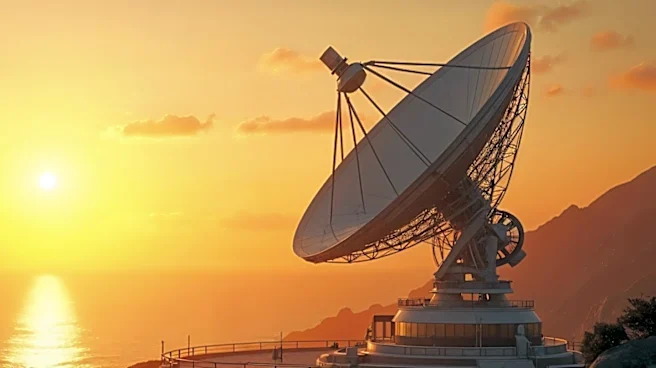
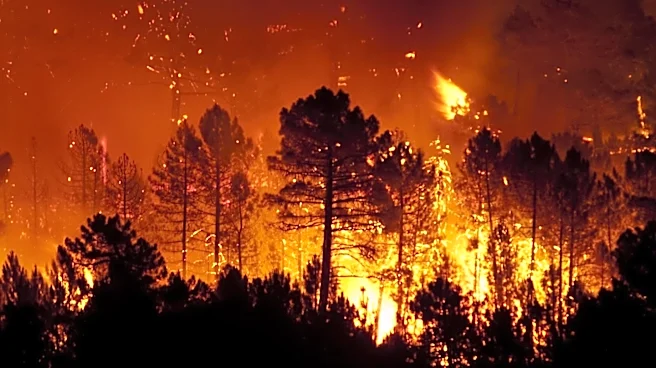
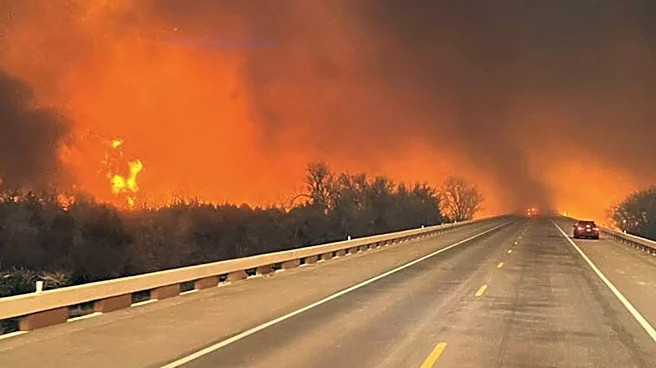
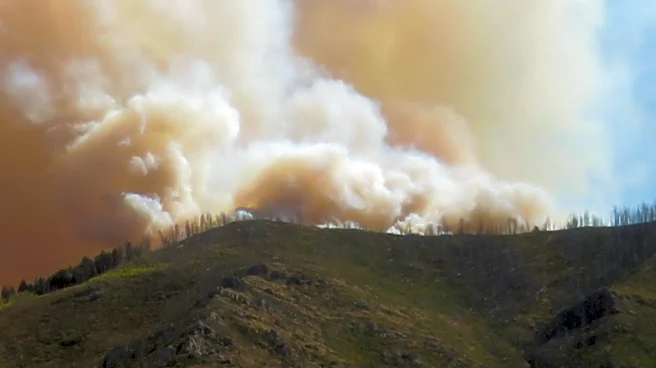
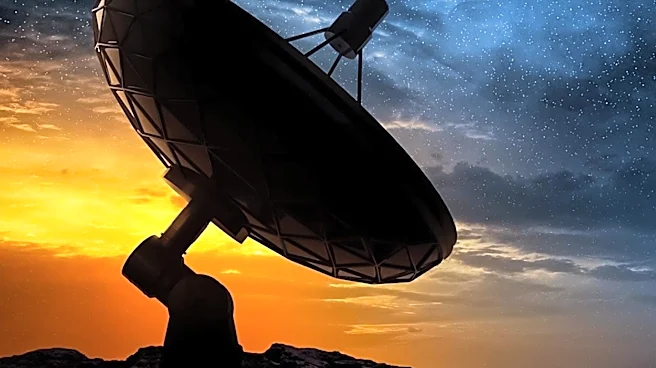
A wildfire has swept through NASA's Madrid Deep Space Communications Complex, threatening six massive radio antennas crucial for interplanetary communication. All personnel were evacuated safely, but the
condition of the antennas remains unknown. The Madrid facility is a key part of NASA's Deep Space Network, which is already operating at full capacity. The loss of this station exacerbates an existing capacity crisis, as the network was already oversubscribed. The Madrid station's strategic location is vital for maintaining continuous communication with spacecraft, and its potential loss could lead to significant communication gaps.
Why It's Important?
The potential loss of the Madrid station highlights the vulnerability of critical infrastructure to natural disasters, particularly in the context of climate change. This event underscores the importance of having robust contingency plans for essential communication networks. The Deep Space Network's capacity issues could impact ongoing and future space missions, affecting scientific research and exploration. The situation also raises concerns about the resilience of global infrastructure in the face of increasing environmental challenges, prompting a reevaluation of risk management strategies in space exploration.
What's Next?
NASA will need to assess the damage to the Madrid station once it is safe to do so. In the meantime, communication responsibilities have been shifted to the remaining stations in California and Australia. The agency may need to accelerate its plans to enhance the network's capacity and resilience. This incident could also prompt discussions on international cooperation and investment in space infrastructure to mitigate the impact of similar events in the future. The outcome of the damage assessment will determine the next steps in restoring full communication capabilities.