








What's Happening?
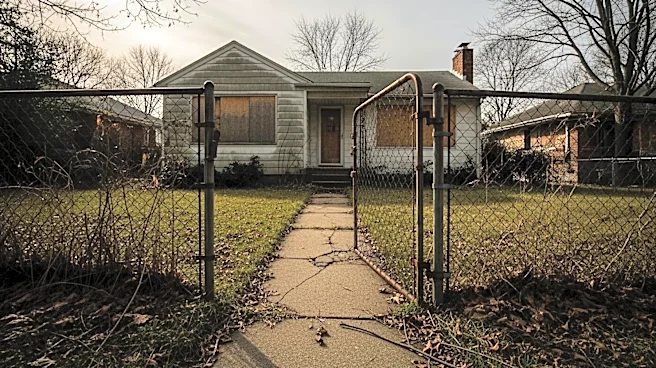
A new homeowner in Burlington, Connecticut, discovered three sets of skeletal human remains inside a house purchased at a foreclosure auction. The property, which appeared abandoned for at least a year, was bought 'as is' on June 6. The previous owners,
Paul and Sally Anne Cash, had defaulted on their mortgage payments in late 2024 and early 2025, leading to the foreclosure initiated by Shellpoint Mortgage Servicing. Attempts to serve the foreclosure complaint were unsuccessful, as the property was concealed by overgrown vegetation and the owners were unreachable. The court-approved foreclosure auction took place on March 23, but the validity of the foreclosure judgment is now under scrutiny due to the property's neglected state and the discovery of the remains.
Why It's Important?
The discovery of human remains in a foreclosed property raises significant legal and ethical questions about the foreclosure process and property inspections. It highlights potential oversights in ensuring properties are thoroughly checked before auctions, which could have implications for real estate practices and legal standards. The case also underscores the importance of due diligence in foreclosure proceedings, as the presence of human remains suggests a possible failure in the system to address abandoned properties adequately. This incident could lead to increased scrutiny and potential reforms in how foreclosures are handled, impacting lenders, buyers, and legal professionals involved in real estate transactions.
What's Next?
The Connecticut State Police and the Office of the Chief Medical Examiner are working to identify the deceased and determine the cause of death. Meanwhile, the court-appointed attorney handling the foreclosure, Christopher Thogmartin, has filed a motion questioning the foreclosure judgment's validity. This could lead to legal challenges and a reevaluation of the foreclosure process in this case. The outcome may influence future foreclosure procedures and property inspections, potentially prompting changes in state regulations to prevent similar occurrences.