





What's Happening?
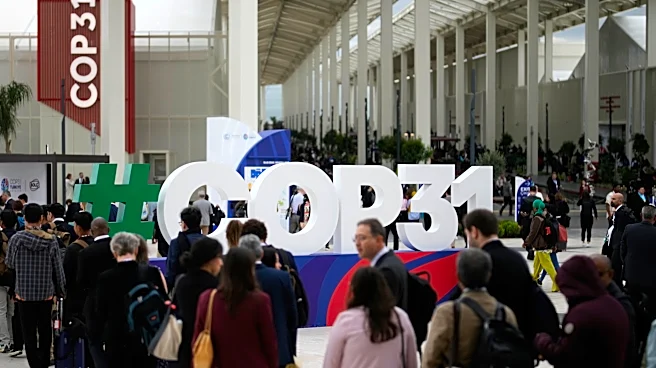
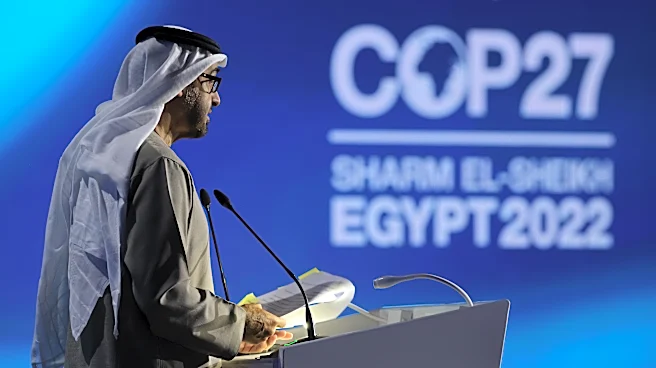
Türkiye is actively integrating climate awareness and sustainable living into its education system, as highlighted at the United Nations Climate Change Conference (COP31). The Ministry of National Education (MEB) established the Türkiye Climate School,
which hosted events bringing together national and international experts to discuss climate education, sustainability, and youth engagement. Panels focused on topics such as young people's proposals for addressing climate change, the importance of intergenerational cooperation, and effective communication in tackling climate change. Speakers emphasized raising awareness among younger generations about climate change, energy efficiency, zero waste, recycling, and electronic waste management. The initiative aims to equip students with the knowledge and skills to address environmental challenges from an early age through school curricula, practical activities, and student-led projects.
Why It's Important?
While this initiative is based in Türkiye, its approach to integrating climate awareness into education holds significant implications as a model for other nations, including the U.S. By embedding environmental education from an early age, Türkiye is cultivating a generation equipped to understand and address climate challenges. This proactive educational strategy can lead to a more environmentally conscious populace, fostering sustainable lifestyles and driving innovation in green technologies. For the U.S., observing such comprehensive educational reforms can inform discussions on how to strengthen climate literacy and engagement among its own youth. A globally informed and environmentally aware workforce and citizenry are crucial for addressing the interconnected challenges of climate change, potentially influencing international collaborations and policy-making in the long term. The emphasis on practical activities and student-led projects also demonstrates effective methods for engaging young people in climate action.
What's Next?
Türkiye's ongoing efforts will likely involve further development and expansion of its climate education curriculum, potentially serving as a case study for other countries. The continued engagement of young people in climate policymaking and practical environmental projects is expected to grow, fostering a generation of active environmental stewards. Internationally, the success of such programs could inspire similar initiatives in other education systems, including those in the U.S., as nations seek effective strategies to combat climate change. There may be increased collaboration between educational institutions and environmental organizations globally to share best practices and resources. The focus on specific areas like energy efficiency, zero waste, and sustainable agricultural practices suggests a future where these concepts become fundamental components of general education, preparing students for a future shaped by environmental considerations.
Beyond the Headlines
The integration of climate awareness into education goes beyond simply teaching facts; it represents a fundamental shift in societal values and priorities. By instilling environmental responsibility from childhood, Türkiye is fostering a cultural ethos that views sustainability as a core principle. This long-term investment in environmental education can lead to profound societal changes, influencing consumer behavior, political discourse, and technological innovation. It highlights the ethical imperative of intergenerational responsibility, ensuring that future generations are not only aware of environmental challenges but also empowered to act. For the U.S., this model underscores the potential for education to be a powerful tool in addressing complex global issues, suggesting that a holistic approach to environmental literacy can cultivate a more resilient and sustainable society, capable of adapting to and mitigating the impacts of climate change.