
What's Happening?
The 61st edition of the Venice Biennale, scheduled from May 9 to November 22, 2026, will include a retrospective of South Korean artist Lee Ufan at the San Marco Art Centre. Curated by Jessica Morgan of the Dia Art Foundation, the exhibition will showcase
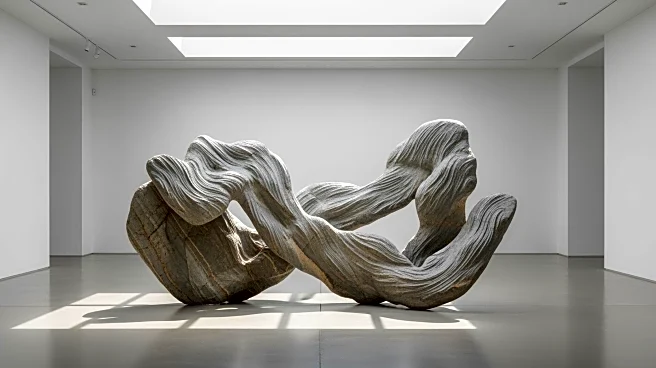
Lee's seven-decade career, highlighting his contributions to the Japanese Mono-ha movement. The retrospective will feature a range of his works, including paintings from the 'From Line' and 'Wind' series, as well as major sculptural pieces like 'Relatum'. Additionally, the Biennale will host various collateral events, including exhibitions from Scotland, Wales, and Ukraine, and a focus on Gaza organized by the Palestine Museum US.
Why It's Important?
The Venice Biennale is one of the most prestigious art events globally, providing a platform for artists to gain international recognition. Lee Ufan's retrospective underscores the Biennale's commitment to celebrating influential artists and movements. The inclusion of diverse global exhibitions highlights the event's role in fostering cross-cultural dialogue and showcasing a wide array of artistic expressions. This year's focus on regions like Gaza and Ukraine reflects the Biennale's engagement with contemporary geopolitical issues, offering artists from these areas a significant platform to present their narratives and perspectives.
What's Next?
As the Biennale approaches, participating artists and curators will finalize their exhibitions, with many expected to address current global issues through their art. The event will likely attract significant attention from the international art community, media, and collectors, potentially influencing art market trends and cultural discourse. The Biennale's outcomes could also impact future collaborations and exhibitions, as artists and institutions build on the connections and visibility gained during the event.
Beyond the Headlines
The Venice Biennale's focus on diverse global narratives and geopolitical themes may prompt discussions on the role of art in addressing social and political issues. The event's ability to bring together artists from historically conflicting regions could serve as a model for cultural diplomacy, highlighting art's potential to bridge divides and foster understanding. Additionally, the Biennale's emphasis on contemporary issues may influence future art practices, encouraging artists to engage more deeply with the world around them.