

What's Happening?
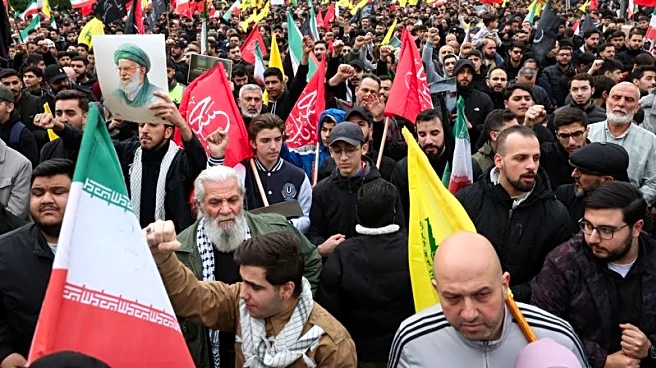
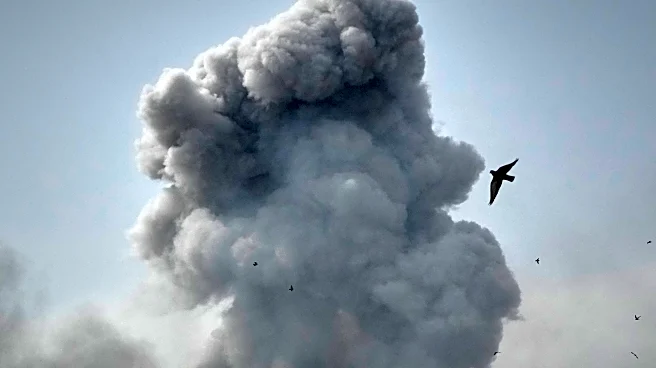
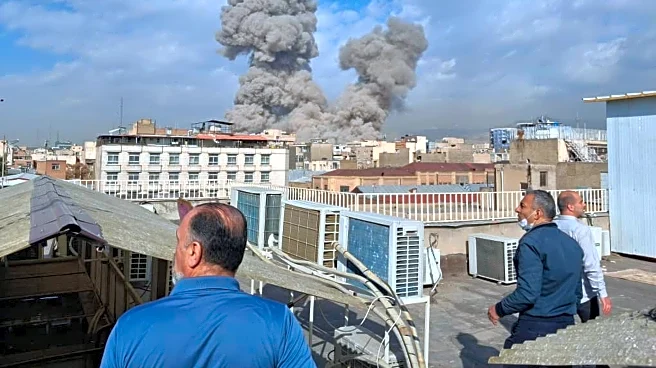
Sirens have sounded across Israel as the country enters the third day of Operation Roaring Lion, a military campaign against Iran and Hezbollah. The operation follows Hezbollah's launch of projectiles towards Israel, prompting an Israeli Defense Forces
(IDF) response targeting southern Lebanon and Beirut. The conflict has resulted in injuries, with 19 Israelis wounded after an Iranian missile hit the Beersheba area. The IDF has noted a change in Iran's missile launch patterns, with more coordinated and larger barrages. Israeli defense systems have intercepted several missiles, and the IDF is preparing for potential involvement from other regional actors, such as the Houthis.
Why It's Important?
The ongoing conflict poses significant risks to regional stability and security. The escalation of hostilities between Israel, Iran, and Hezbollah could lead to broader regional involvement, potentially drawing in other countries and non-state actors. The conflict threatens civilian safety, with missile attacks causing injuries and damage in Israel. The situation also has implications for global energy markets, as disruptions in the region could affect oil supplies. The international community may face challenges in mediating the conflict and preventing further escalation, with potential impacts on diplomatic relations and regional alliances.
What's Next?
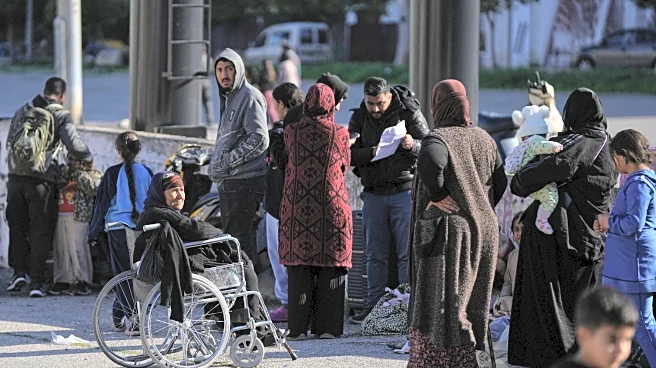
The conflict is expected to continue, with both sides preparing for prolonged engagements. The IDF's readiness for further strikes and the potential involvement of other regional actors suggest that military operations could expand. The international community may seek to intervene diplomatically to de-escalate tensions, but the situation remains volatile. The conflict's impact on civilian populations and infrastructure could lead to humanitarian concerns, prompting calls for international assistance and intervention.