




What's Happening?
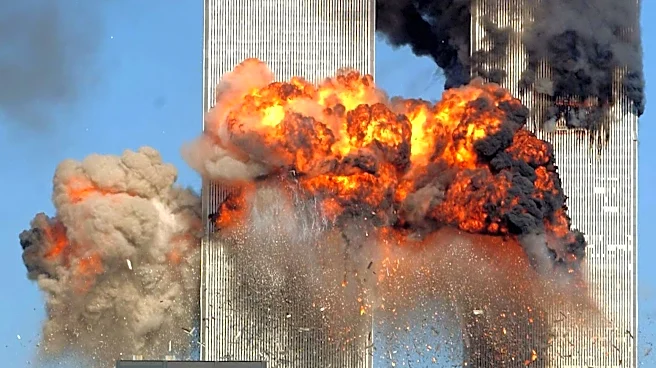
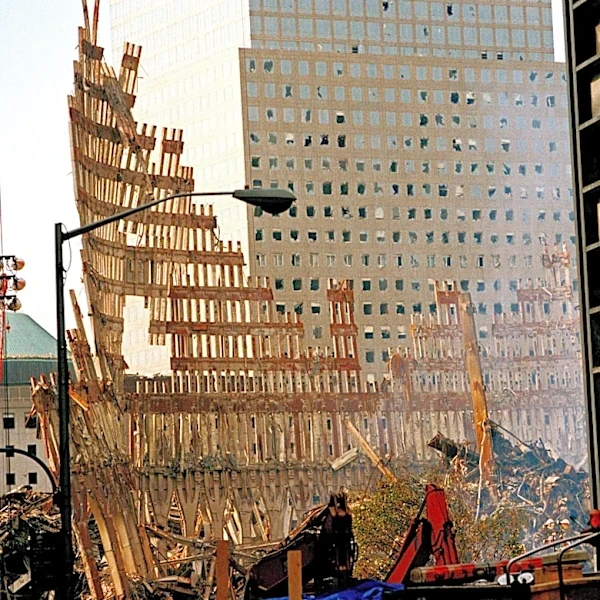
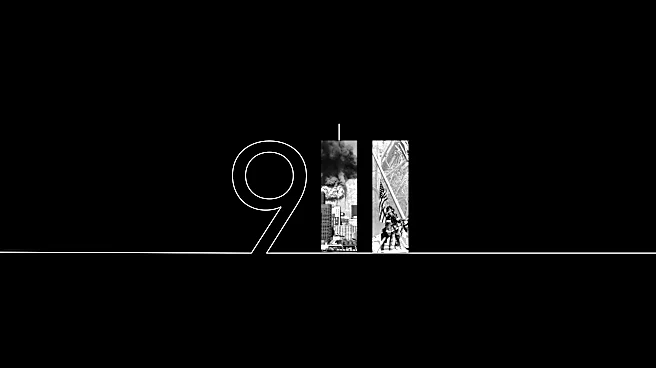
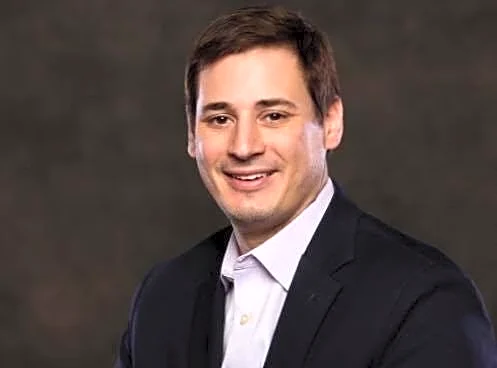
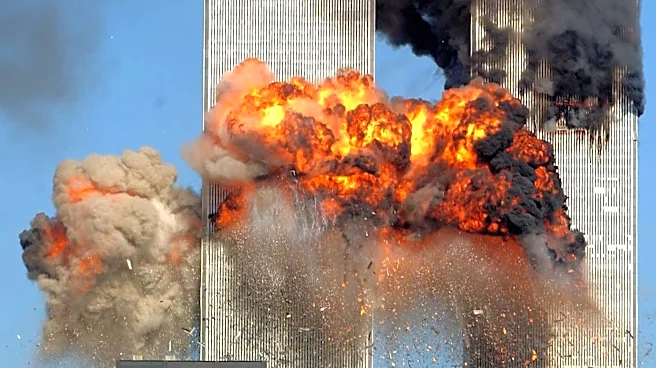
Hugh Hewitt, host of The Hugh Hewitt Show, reflects on the September 11, 2001, attacks, emphasizing how the event served as a pivotal moment in geopolitical, national, and personal history. He notes a significant generational divide in the perception
of 9/11, observing that younger generations, who did not live through the event, often view it as a historical occurrence rather than a visceral memory. Hewitt recounts his own experience of re-watching old 9/11 videos, which stirred deep emotions, and contrasts this with the detached perspective of young people who might question the authenticity of such footage due to their constant exposure to 'unreal reality' through screens. He highlights that while the nation experienced a period of unity post-9/11, similar to the bicentennial celebration, this energy was not fully harnessed by then-President George W. Bush, who encouraged Americans to return to their lives and leave the 'War on Terror' to professionals. This, Hewitt argues, created a 'wall' between the public and the events, which has since been reinforced by isolating technology and political opportunism.
Why It's Important?
Hewitt's reflection underscores a critical challenge in maintaining historical memory and national cohesion across generations in the U.S. The diminishing visceral impact of 9/11 on younger Americans, coupled with the pervasive influence of digital media and potential for misinformation, could lead to a diluted understanding of significant national traumas. This generational gap in historical perception has implications for national identity, civic engagement, and the collective response to future crises. The observation that the post-9/11 national unity was not sustained suggests a missed opportunity for long-term societal bonding and shared purpose. Furthermore, Hewitt's critique of 'isolating technology and politics that seek to personally capitalize on events' points to a broader concern about how modern communication and political strategies can fragment national narratives rather than unify them, potentially hindering the ability of the U.S. to rally around common causes in times of need.
What's Next?
The ongoing challenge will be to bridge the generational gap in understanding and emotional connection to pivotal historical events like 9/11. Educators, media, and community leaders may need to develop more effective strategies to convey the profound impact of such events to younger generations, moving beyond mere factual recitation to foster a deeper sense of historical empathy and national memory. There is a potential for continued discussion on how technology and political discourse shape collective memory and national unity. Future efforts might focus on creating platforms or initiatives that encourage intergenerational dialogue and shared reflection on historical moments, aiming to counteract the isolating effects of digital media and politically driven narratives. The long-term implications for national resilience and unity will depend on how effectively these challenges are addressed.
Beyond the Headlines
The deeper implication of Hewitt's commentary lies in the evolving nature of collective memory in an increasingly digital and fragmented society. The concern that young people might view historical events through a lens of skepticism, questioning the reality of past footage due to exposure to AI-generated content, raises profound questions about truth, perception, and historical literacy. This phenomenon could lead to a society where shared historical understanding is eroded, making it difficult to draw lessons from the past or to forge a common identity based on collective experiences. The critique of political capitalization on events, rather than using them to rally the nation, highlights an ethical dimension of leadership and public discourse. It suggests a shift from a focus on national good to individual or partisan gain, which could further exacerbate societal divisions and weaken the fabric of national unity over time. The spiritual pivot mentioned by Hewitt, where patriotism and faith emerged post-9/11, also points to the enduring human need for meaning and connection in the face of tragedy, a need that may be harder to fulfill in a hyper-individualized and technologically mediated world.