





What's Happening?
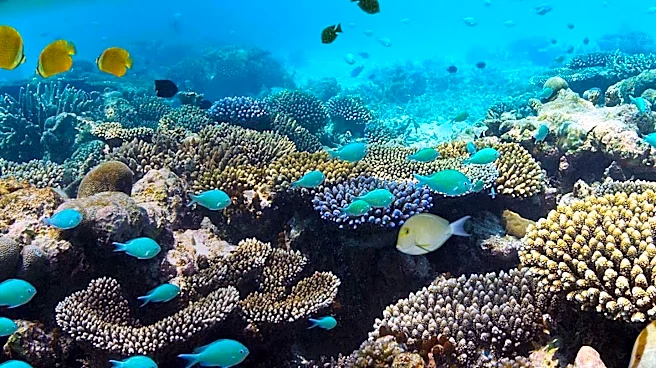
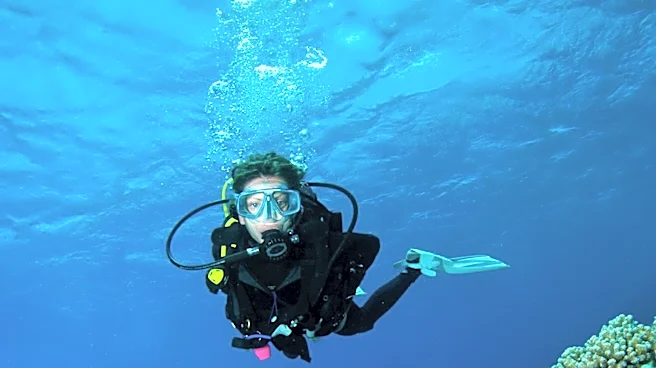
Recent studies highlight the significant impact of diver activities and environmental stressors on coral reefs. Physical contact from divers, often unintentional, can cause immediate damage to coral structures, leading to increased disease susceptibility
and mortality. Additionally, sediment resuspension from diver fins and chemical contamination from sunscreens exacerbate the stress on corals, particularly during bleaching events. The conversion of oxybenzone, a common sunscreen ingredient, into a phototoxic compound under UV light has been identified as a major threat to coral health. These stressors collectively compromise the coral's surface mucus layer, which is crucial for its defense against pathogens and environmental changes.
Why It's Important?
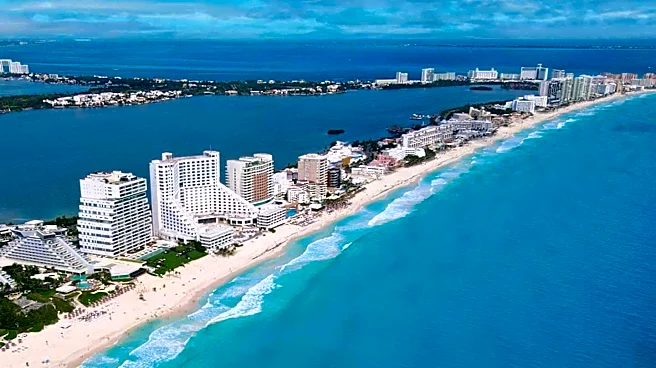
The health of coral reefs is critical for marine biodiversity and the livelihoods of communities dependent on marine tourism and fisheries. The degradation of coral reefs due to diver activities and chemical pollutants poses a threat to these ecosystems, potentially leading to a decline in marine species and economic losses in tourism and fishing industries. The findings underscore the need for stricter regulations and awareness campaigns to mitigate human impact on coral reefs. Implementing reef-safe practices and promoting the use of mineral-based sunscreens could significantly reduce the stress on these vital ecosystems.
What's Next?
To protect coral reefs, dive operators are encouraged to implement environmental briefings and buoyancy training for divers to minimize contact with corals. Restricting access to affected areas during bleaching events and promoting the use of reef-safe sunscreens are recommended measures. Ongoing monitoring of coral health and the enforcement of environmental regulations will be crucial in mitigating the impact of human activities on coral reefs. Collaborative efforts between governments, NGOs, and the tourism industry are essential to ensure the long-term preservation of coral ecosystems.