







What's Happening?
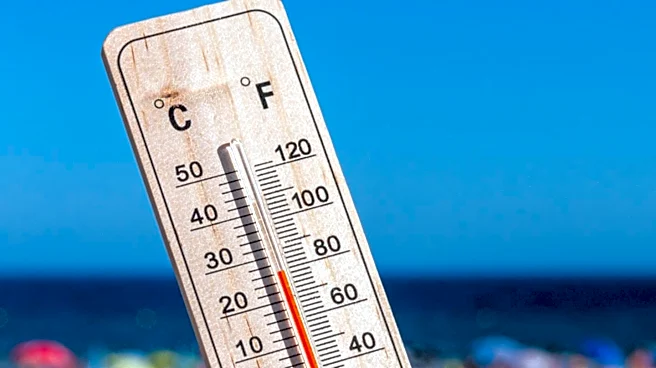
A severe heatwave is currently affecting large parts of the United States, posing a threat to Independence Day celebrations and World Cup matches. According to researchers from World Weather Attribution, this extreme weather event would have been 'virtually
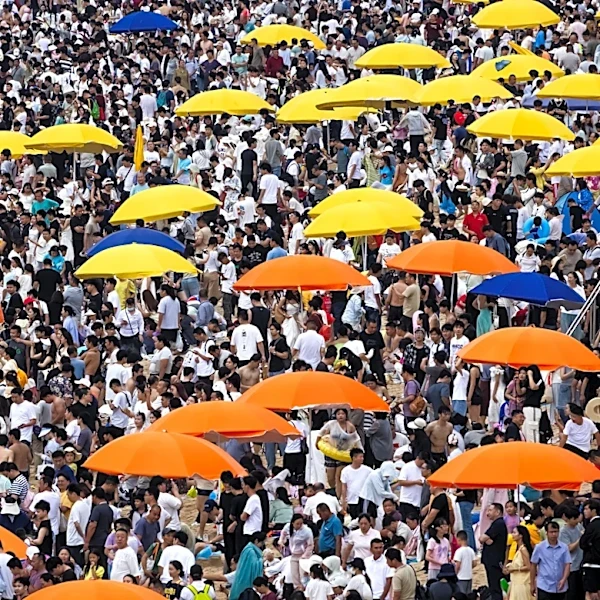
impossible' without the influence of the climate crisis. The heatwave, driven by a high-pressure system known as a heat dome, is bringing hot and humid conditions to the central and eastern U.S. and parts of southern Canada. The heat is expected to disrupt events in Washington DC, where thousands are gathering for the 250th anniversary of the United States. Additionally, World Cup matches in Philadelphia and Miami are anticipated to be played under potentially dangerous heat conditions.
Why It's Important?
The heatwave underscores the urgent need for action on climate change, as it disrupts significant national events and international sports competitions. The extreme temperatures highlight the impact of global warming, primarily driven by fossil fuel emissions, on everyday life and major public gatherings. The situation serves as a stark reminder of the increasing frequency and intensity of such weather events, which are expected to become more common as the planet continues to warm. This has implications for public health, safety, and the economy, as events may need to be postponed or canceled, affecting tourism and local businesses.
What's Next?
In response to the heatwave, there may be increased calls for policy changes to address climate change and reduce greenhouse gas emissions. Event organizers might need to implement contingency plans, such as rescheduling or relocating events to cooler venues. Public health advisories are likely to be issued to protect vulnerable populations from heat-related illnesses. The situation could also prompt further research into climate adaptation strategies to better prepare for future extreme weather events.