







What's Happening?
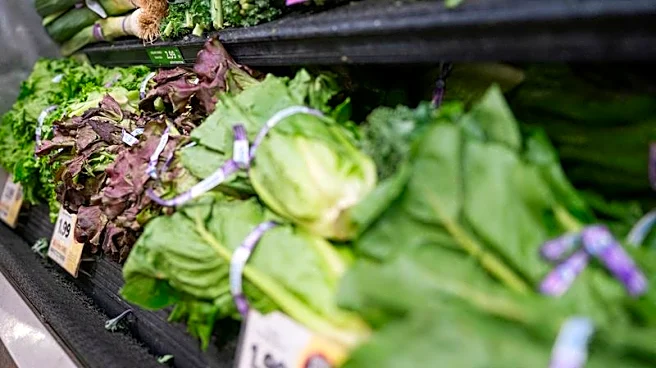
Pittsburgh is experiencing a rise in cyclosporiasis cases, part of a larger multistate outbreak linked to iceberg lettuce from Taylor Farms de Mexico. The CDC has added Pennsylvania to the list of affected states, with over 6,700 confirmed cases nationwide.
The outbreak has been traced to contaminated lettuce, prompting a recall. Symptoms of cyclosporiasis include severe diarrhea and stomach cramps. Health officials advise avoiding potentially contaminated produce and practicing safe food handling. The outbreak highlights the challenges in managing foodborne illnesses and the importance of timely public health responses.
Why It's Important?
The outbreak underscores the vulnerabilities in the food supply chain and the potential for widespread health impacts from contaminated produce. It highlights the need for stringent food safety measures and rapid response systems to prevent and manage such outbreaks. The situation also raises awareness about the importance of consumer vigilance and the role of public health agencies in safeguarding food safety. The economic implications are significant, affecting both the agricultural sector and healthcare systems as they respond to increased cases and manage public health advisories.
What's Next?
As the outbreak continues, health officials are likely to intensify investigations to pinpoint the source and prevent further spread. Public health campaigns may focus on educating consumers about safe food practices. The agricultural industry might face increased scrutiny and pressure to implement more rigorous safety protocols. Ongoing monitoring and updates from the CDC will be crucial in managing the outbreak and preventing future occurrences. Stakeholders, including government agencies and food producers, will need to collaborate to enhance food safety standards and restore consumer confidence.