


What's Happening?
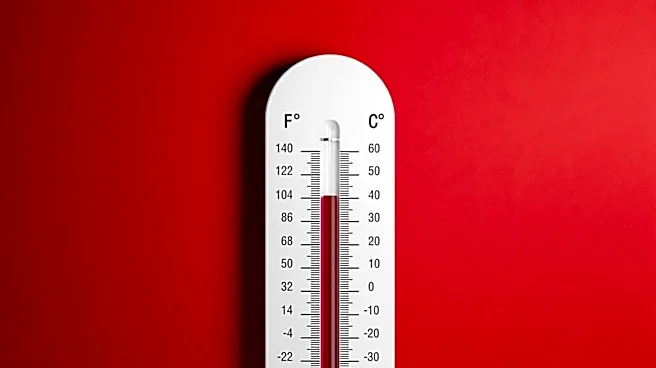
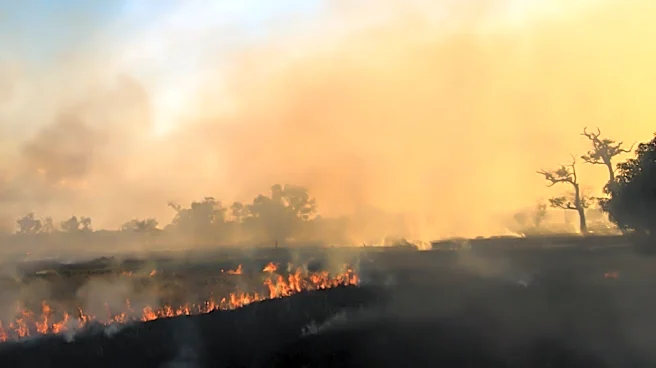
In June 1859, Santa Barbara reportedly experienced a heat wave with temperatures reaching 133 degrees Fahrenheit, according to historical accounts. This event, described as a 'burning wind' from the northwest, caused significant damage to local wildlife
and vegetation. The validity of this record is debated, as it challenges the current world record held by Death Valley. The 1859 event is documented in various historical sources, but its accuracy remains uncertain due to the lack of modern meteorological equipment at the time.
Why It's Important?
If verified, Santa Barbara's 1859 temperature would surpass Death Valley's record, altering historical weather records. This event highlights the challenges in verifying historical climate data and the potential for extreme weather events in unexpected locations. Understanding past weather anomalies can provide insights into climate patterns and inform current climate science. The debate over this record also underscores the importance of accurate data collection and verification in meteorology.
Beyond the Headlines
The 1859 Santa Barbara heat wave raises questions about historical climate variability and the potential for similar events in the future. It also highlights the limitations of historical weather records and the need for improved data collection methods. This event serves as a reminder of the potential impacts of extreme weather on communities and ecosystems, emphasizing the importance of preparedness and resilience in the face of climate change.