



What's Happening?
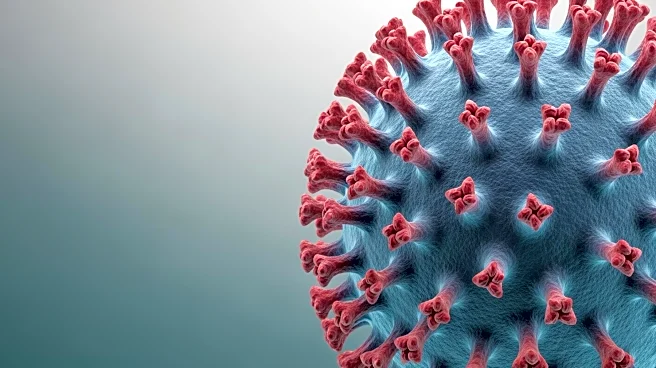
A new strain of the H3N2 flu virus, known as the 'subclade K' variant, is circulating and has led to concerns about a potentially severe flu season. This mutated strain of the influenza A virus has not been widely encountered in recent years, resulting
in lower immunity levels among the population. The NHS has issued a 'flu jab SOS' to vulnerable groups, and there is a discussion on whether individuals should consider purchasing a flu vaccine, even if they are generally healthy. The vaccine is available for purchase at high street chemists and is recommended to be taken sooner rather than later to ensure protection throughout the flu season.
Why It's Important?
The emergence of the H3N2 'subclade K' variant poses a significant public health challenge, as it could lead to increased flu cases and hospitalizations. The situation highlights the importance of vaccination as a preventive measure, especially for vulnerable populations. The potential for a severe flu season could strain healthcare resources and impact public health strategies. The discussion around vaccine uptake also reflects broader issues of vaccine skepticism and public health communication, which are critical in ensuring adequate protection against infectious diseases.
What's Next?
Public health authorities are likely to continue monitoring the spread of the H3N2 variant and may issue further guidance on vaccination and preventive measures. There may be increased efforts to promote flu vaccination, particularly among high-risk groups, to mitigate the impact of the flu season. The situation could also lead to discussions on improving public health infrastructure and communication strategies to address vaccine hesitancy and ensure better preparedness for future outbreaks.