


What's Happening?
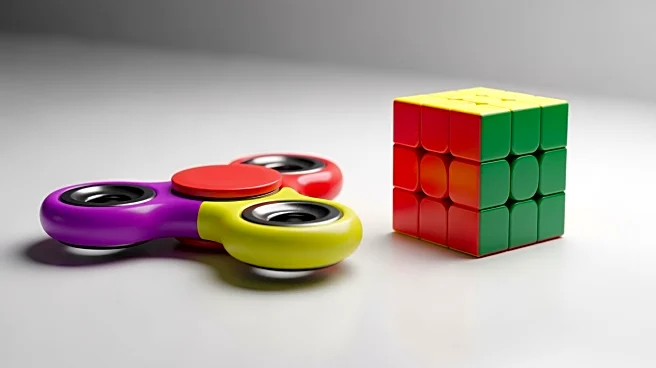
Consumer Reports has conducted an investigation into the safety of popular squishy fidget toys, which are often marketed as stress-relief tools for children. The investigation revealed that some of these toys can break open, exposing a gel that may cause
skin irritation or chemical burns. Parents have reported incidents where the toys 'popped within an hour' or 'broke within two hours of playing,' leading to red, irritated, or peeling skin in children. The federal SaferProducts.gov site has received reports of severe skin irritation linked to these toys. Consumer Reports tested eight squishy toys and found that while seven had a neutral pH, one toy, the Nee-Doh 'Groovy Glob,' had a pH level of 2, similar to lemon juice or vinegar, which could pose a risk of chemical burns. The manufacturer, Schylling, disputes these findings, claiming the gel is safe and made of polyvinyl alcohol. Additionally, a TikTok trend encouraging users to microwave these toys has been deemed dangerous, as it can cause the toys to explode and reach temperatures that can cause burns.
Why It's Important?
The findings from Consumer Reports raise significant safety concerns for parents and guardians who purchase these toys for their children. The potential for chemical burns and skin irritation highlights the need for greater transparency regarding the materials used in these toys. This issue also underscores the importance of regulatory oversight in the toy industry to ensure child safety. The report may prompt parents to reconsider purchasing these toys and could lead to increased scrutiny from consumer safety organizations. The trend of microwaving these toys, popularized on social media, further emphasizes the need for public awareness about the potential dangers associated with improper use of consumer products.
What's Next?
In response to these findings, there may be increased pressure on manufacturers to disclose the ingredients used in their products and to improve safety standards. Consumer safety organizations and regulatory bodies might investigate further to determine if additional safety measures or recalls are necessary. Parents and consumer advocacy groups could push for stricter regulations and better labeling to prevent similar incidents in the future. The toy industry may also see a shift in consumer preferences towards products with clearer safety assurances.