








What's Happening?
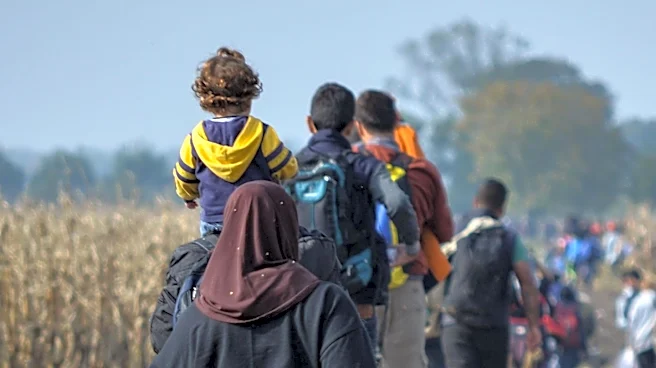
Refugee identity certificates are official documents that verify an individual's refugee or asylum status in the issuing country, as mandated by Article 27 of the 1951 Refugee Convention. These documents are crucial for refugees who lack valid travel
documents from their country of origin. They can take various forms, including national refugee ID cards, residence permits, UNHCR proof-of-registration documents, or Convention Travel Documents for international travel. The process of obtaining these documents typically involves claiming asylum, identity capture (including biometrics), status determination by the host government or UNHCR, and subsequent document issuance. These certificates are vital for refugees to access essential services, open bank accounts, register SIM cards, work legally, and ensure legal protection against refoulement, which is the principle of not returning refugees to places where they face persecution.
Why It's Important?
The issuance and recognition of refugee identity certificates are fundamental to upholding the rights and ensuring the well-being of refugees globally, including those who may eventually seek refuge or resettlement in the U.S. Without these documents, refugees often face significant barriers to integration and daily life, limiting their ability to participate in society and access basic necessities. For the U.S., understanding the international framework and practical implications of these certificates is important for its own asylum and refugee policies. The U.S. issues its own Refugee Travel Document, which is valid for one year and cannot be extended, reflecting national variations in implementation. The effectiveness of these documents directly impacts the ability of refugees to rebuild their lives, contributing to stability and reducing humanitarian crises, which aligns with broader U.S. foreign policy and humanitarian goals.
What's Next?
The ongoing challenge for refugees and host countries alike is the consistent issuance, renewal, and acceptance of these identity documents. As these documents have expiration dates, continuous renewal processes are necessary to prevent refugees from losing access to services. International bodies like UNHCR continue to advocate for standardized and secure documentation practices, including the use of biometrics, to enhance security and prevent identity theft. For countries like the U.S., there is a continuous need to review and update policies regarding the validity and acceptance of various refugee identity documents, especially in the context of evolving digital identity verification systems. Financial institutions, telecommunication companies, and online service providers are increasingly encountering these documents, necessitating adaptable identity verification protocols to ensure inclusivity and compliance.
Beyond the Headlines
The significance of refugee identity certificates extends beyond mere administrative function; they are critical tools for human dignity and protection. The historical precedent of the Nansen passport, introduced after World War I to assist stateless Russians, highlights the long-standing international recognition of the need for such documentation. In contemporary society, these certificates underscore complex legal and ethical dimensions, including the balance between national security concerns and humanitarian obligations. The lack of universally accepted and easily verifiable refugee identity documents can lead to systemic exclusion and vulnerability. As digital identity solutions advance, there is a growing imperative to integrate refugee documentation into these systems, ensuring that refugees are not left behind in an increasingly digital world, while also addressing concerns about data privacy and security. This ongoing evolution requires collaboration between governments, international organizations, and technology providers.