






What's Happening?
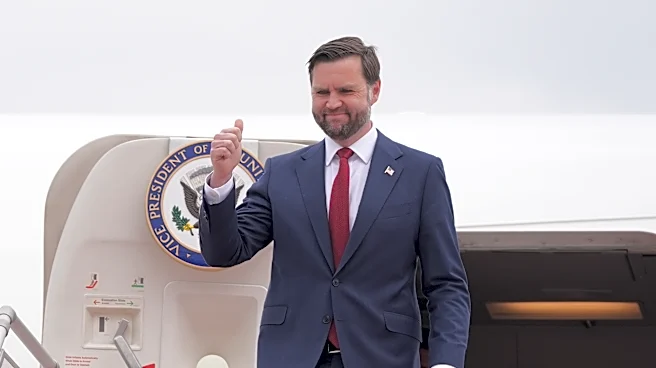
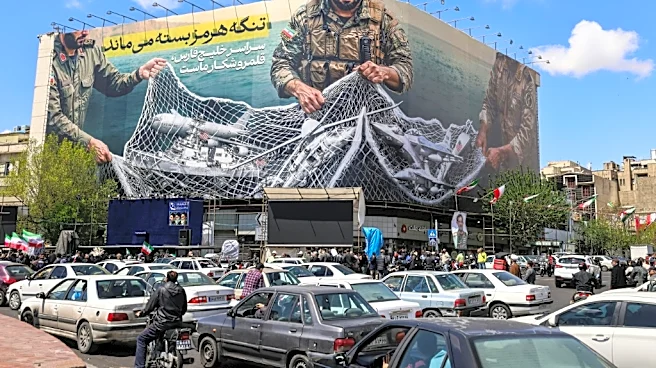
Negotiations between the United States and Iran have paused after 14 hours of talks in Islamabad, Pakistan, aimed at resolving the six-week conflict between the two nations. The discussions, the first direct U.S.-Iranian meeting in over a decade, focused
on a ceasefire, reopening the Strait of Hormuz, and the release of frozen Iranian assets. Despite some progress, significant disagreements remain, particularly regarding control of the Strait of Hormuz and regional stability. The talks are set to continue, with technical exchanges planned between the two sides.
Why It's Important?
The outcome of these negotiations could have significant implications for global energy markets, as the Strait of Hormuz is a critical chokepoint for oil transportation. A resolution could stabilize oil prices and reduce geopolitical tensions in the region. However, the ongoing disagreements highlight the challenges in U.S.-Iran relations, which have been strained for decades. The talks also reflect broader regional dynamics, including the involvement of other countries like Pakistan in mediating the conflict. The resolution of these issues could influence U.S. foreign policy and its approach to Middle Eastern geopolitics.
What's Next?
Further negotiations are expected, with both sides likely to continue technical discussions to address unresolved issues. The U.S. and Iran may seek additional mediation efforts to bridge the gaps in their positions. The international community will be closely monitoring the situation, as the outcome could impact global energy security and regional stability. The U.S. administration may also face domestic pressure to achieve a favorable resolution, balancing diplomatic efforts with national security concerns.