


What's Happening?
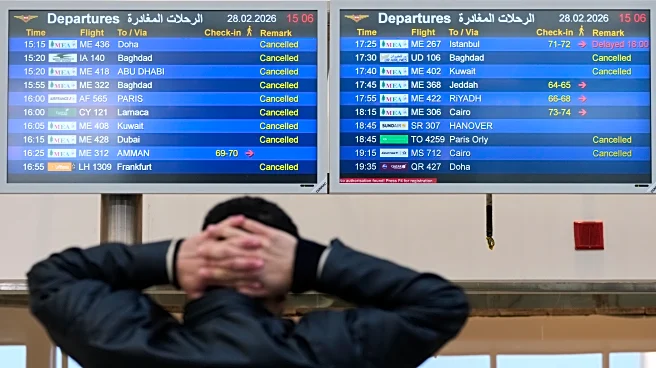
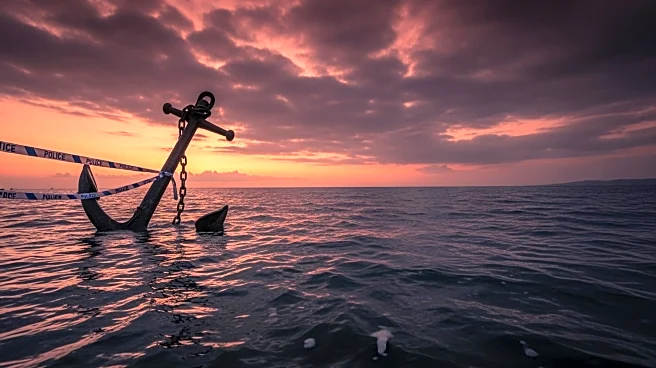
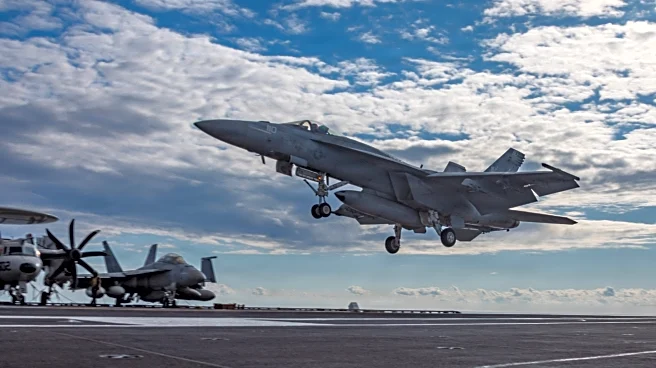
Leading maritime insurers have decided to cancel war risk cover for vessels operating in the Gulf due to escalating tensions between the U.S., Israel, and Iran. This decision comes after intense airstrikes by the U.S. and Israel on Iran, which have effectively
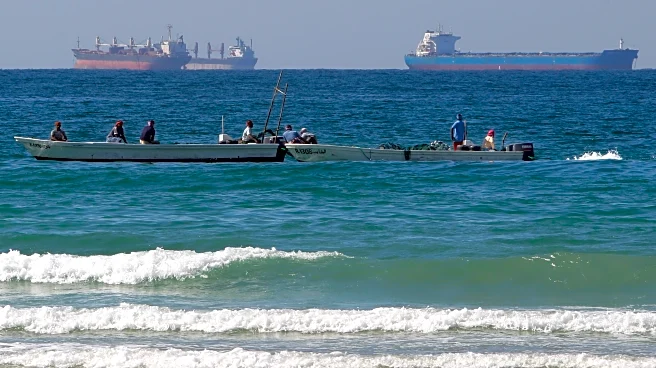
closed the Strait of Hormuz, a critical shipping route for global oil and gas supplies. The cancellation of war risk cover, which protects shipowners from costs and damages due to war, terrorism, and piracy, affects Iranian waters and the Gulf region. This move is expected to deter shipowners from navigating these waters, as the risk of damage and increased insurance costs rise. The conflict has already led to the damage of several tankers and the death of a seafarer, further complicating the situation for maritime operations in the area.
Why It's Important?
The cancellation of war risk cover by major insurers like Norway's Gard and Skuld, the UK's NorthStandard, and others, highlights the severe impact of geopolitical tensions on global trade. The Strait of Hormuz is a vital corridor for about 20% of the world's oil and gas shipments, and its closure could lead to significant disruptions in energy supply chains. The increased insurance costs and rerouting of ships are likely to drive up freight rates and oil prices, affecting global markets. Companies involved in shipping and energy sectors may face financial strain due to these disruptions, while consumers could see higher prices for goods and energy. The situation underscores the vulnerability of global trade routes to regional conflicts and the cascading effects on international markets.
What's Next?
As the conflict continues, shipping companies are likely to seek alternative routes, potentially increasing transit times and costs. Insurers may reassess their coverage terms, leading to higher premiums for vessels operating in high-risk areas. The ongoing instability could prompt further military and diplomatic responses from involved nations, potentially escalating the situation. Shipping companies like Maersk and CMA CGM have already rerouted their vessels to avoid the Red Sea, indicating a shift in maritime logistics strategies. The global shipping industry will need to adapt to these changes, balancing risk management with operational efficiency.