







What's Happening?
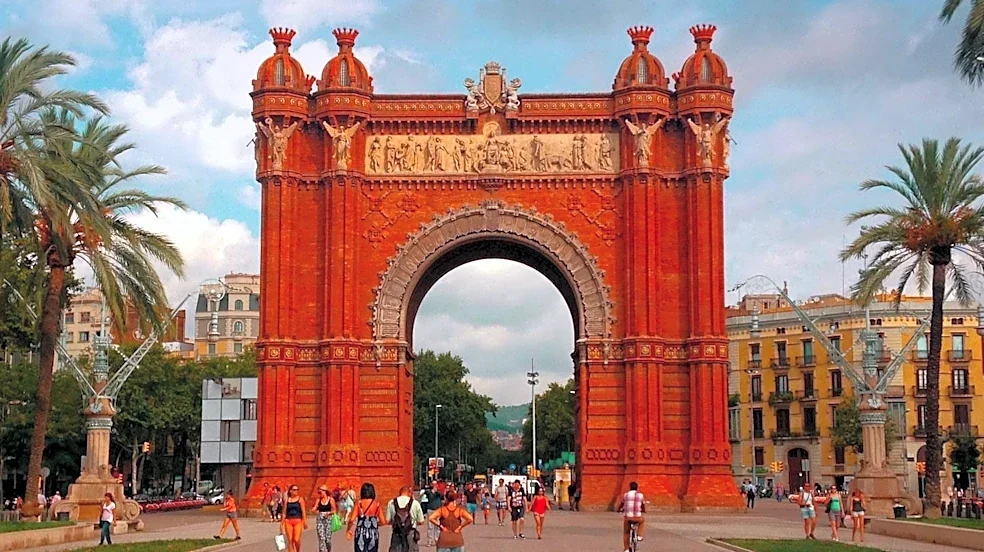
Barcelona, Spain, is recognized for its unique combination of culture, architecture, and cuisine. The city features striking contrasts, including the Sagrada Familia Cathedral and other architectural works by Antoni Gaudí, such as the colorful mosaics
of Park Güell and the stone facades of Casa Milà and Casa Batlló. The atmospheric streets of the Gothic Quarter also contribute to its historical charm. Barcelona is described as a vibrant Mediterranean capital that integrates centuries of history, world-renowned modernist architecture, and a lively urban beach culture. Other significant attractions include the Boqueria Market, La Rambla, and the FC Barcelona Stadium (Camp Nou). Despite its many attractions, the city also faces challenges like homelessness and certain unsafe areas.
Why It's Important?
Barcelona's appeal as a major European destination has significant implications for the tourism and hospitality industries, both locally and internationally. Its rich cultural heritage, exemplified by Gaudí's architectural masterpieces, draws millions of visitors annually, contributing substantially to the local economy through tourism revenue, job creation, and infrastructure development. The city's blend of historical sites, modern architecture, and vibrant urban life makes it a benchmark for urban planning and cultural preservation. For U.S. travelers, Barcelona represents a prime European travel destination, influencing travel trends and airline routes. The challenges of homelessness and safety, however, highlight the complexities of managing rapid urban development and tourism, serving as a case study for other global cities grappling with similar issues.
What's Next?
Barcelona is expected to continue its efforts in sustainable tourism development, balancing the influx of visitors with the preservation of its cultural heritage and quality of life for residents. Future initiatives may focus on enhancing public safety and addressing social issues like homelessness, potentially through increased social programs and urban planning adjustments. The city will likely continue to promote its diverse attractions, from its architectural wonders to its culinary scene, to maintain its status as a top global destination. Ongoing cultural events and festivals will also play a role in attracting tourists and enriching the local experience. The development of new infrastructure and services to support tourism growth will also be a key area of focus.
Beyond the Headlines
Beyond its immediate economic impact, Barcelona's architectural and cultural landscape offers deeper insights into the interplay between art, urban development, and societal identity. Gaudí's works, for instance, are not merely buildings but expressions of Catalan modernism, reflecting a unique regional identity within Spain. The city's ability to integrate ancient Roman ruins with medieval quarters and modernist masterpieces speaks to a continuous evolution of urban form and function. The challenges of homelessness and safety, while practical concerns, also touch upon broader ethical questions regarding equitable urban development and the social responsibilities that come with being a global tourist hub. Barcelona serves as a living laboratory for understanding how cities can leverage their past while navigating the complexities of the present and future.