



What's Happening?
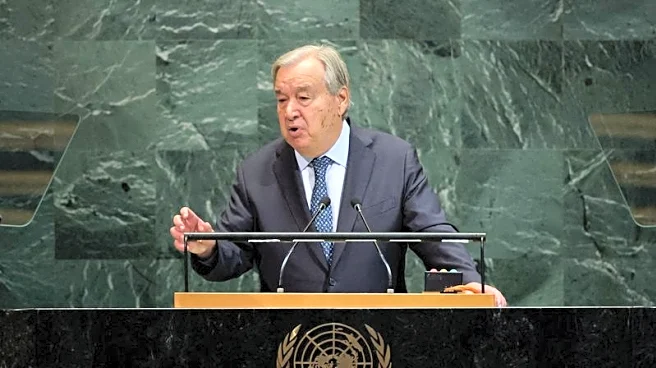
UN Secretary-General Antonio Guterres has warned of an 'imminent financial collapse' of the United Nations due to unpaid fees from member states. The crisis is compounded by a budget rule that mandates the return of unspent funds, further straining the organization's
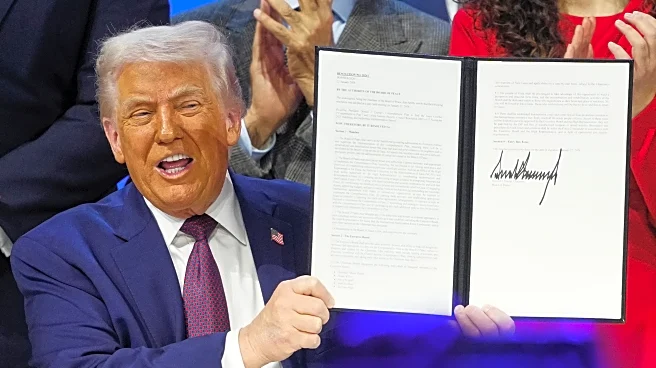
finances. The United States, a major contributor, has reduced its funding, citing inefficiencies and a lack of support for its initiatives. Guterres has called for either full payment of dues by member states or a fundamental overhaul of the UN's financial rules to avert the crisis. The situation is described as a 'Kafkaesque cycle' where the UN is expected to return funds it never received.
Why It's Important?
The financial instability of the UN poses a threat to its ability to fulfill its mandate of maintaining international peace and security, promoting human rights, and providing humanitarian aid. The US's decision to withhold funds reflects a shift away from multilateralism, potentially weakening international cooperation. The crisis highlights the need for financial reform within the UN to ensure its sustainability and effectiveness. The situation also raises questions about the commitment of member states to the principles of international cooperation and the potential impact on global governance.
What's Next?
The UN may face a cash shortfall by July if the financial issues are not resolved. Guterres has initiated a reform task force to address the crisis, but significant changes are needed to prevent future financial instability. The US's stance may lead to further diplomatic challenges and could influence other countries' contributions. The UN may need to explore new funding strategies or implement cost-cutting measures to maintain its operations. The situation could also prompt broader discussions on the role and effectiveness of the UN in addressing global challenges, potentially leading to institutional reforms.