
What's Happening?
Brigadier General (res.) Yossi Kuperwasser, a former head of IDF military intelligence research, has described the current conflict involving Iran as an 'existential war' for the Islamic regime. According to Kuperwasser, Iran perceives the situation as a threat
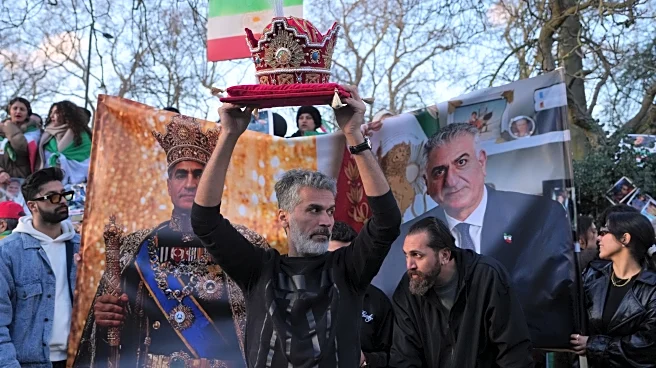
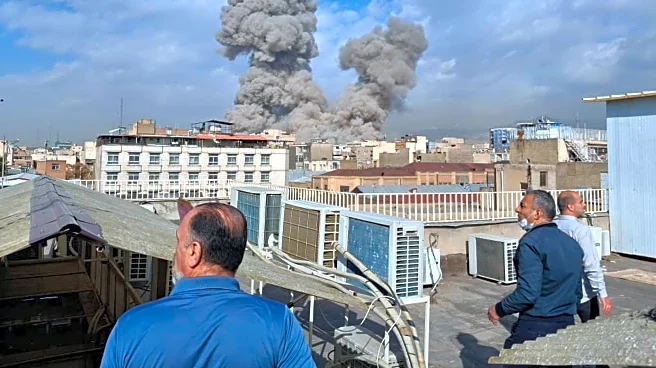
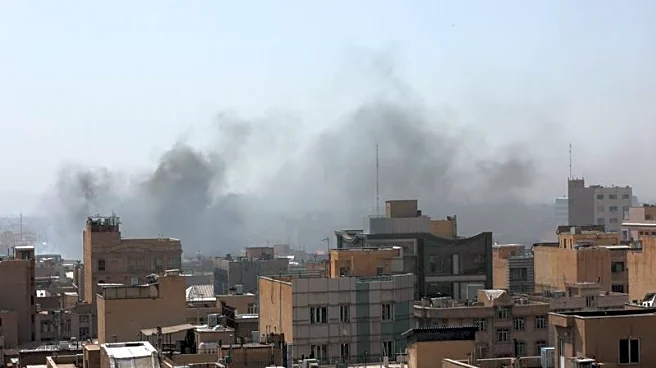
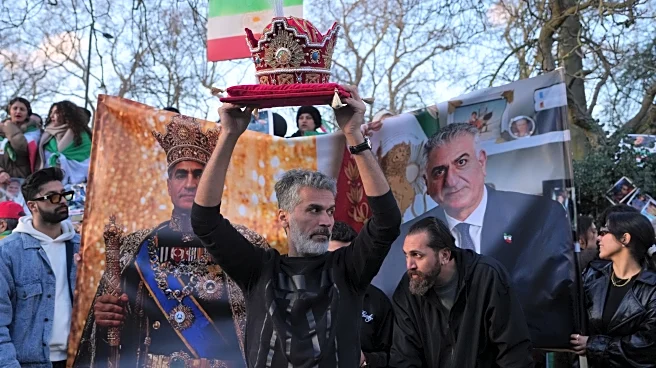
to its continued rule and is likely to escalate its military and proxy capabilities. The conflict is expected to intensify with potential attacks on Iran's leadership, ballistic missile capabilities, and military facilities. The situation is further complicated by Iran's attempts to target American interests. Protests within Iran over economic issues and human rights violations have led to calls for regime change, both domestically and internationally. Despite these internal pressures, Iran's proxies in Lebanon and Yemen might join the conflict, although Hezbollah has stated it will refrain from engaging unless provoked by actions against Ayatollah Ali Khamenei.
Why It's Important?
The conflict's escalation has significant implications for regional stability and international relations. Iran's use of its full military capabilities could lead to broader confrontations involving the United States and its allies. The potential involvement of Iran's proxies could destabilize neighboring regions, affecting global oil markets and international security. The internal unrest in Iran, driven by economic hardship and human rights abuses, highlights the regime's vulnerability and the potential for significant political change. However, the involvement of major powers like China and Russia in diplomatic efforts to support the regime could complicate international responses. The situation underscores the delicate balance of power in the Middle East and the potential for widespread impact on global geopolitical dynamics.
What's Next?
The international community is likely to monitor the situation closely, with potential diplomatic efforts to de-escalate tensions. The United States and its allies may consider strategic responses to Iran's actions, balancing pressure with diplomatic engagement. The internal protests in Iran could gain momentum, potentially leading to significant political shifts if the regime fails to address the underlying grievances. The role of Iran's proxies will be crucial, as their involvement could trigger broader regional conflicts. The situation remains fluid, with potential for rapid developments depending on the actions of key stakeholders.
Beyond the Headlines
The conflict highlights the complex interplay between domestic unrest and international diplomacy. Iran's ability to maintain internal stability despite external pressures reflects its robust state apparatus, contrasting with the fragmented political landscapes of Syria and Lebanon. The regime's centralized control allows it to project power regionally while managing internal challenges. This capacity for resilience could lead to miscalculations by external actors, emphasizing the need for nuanced policy approaches. The ideological and institutional cohesion within Iran's political system may enable it to withstand external pressures longer than anticipated, affecting long-term regional dynamics.