







What's Happening?
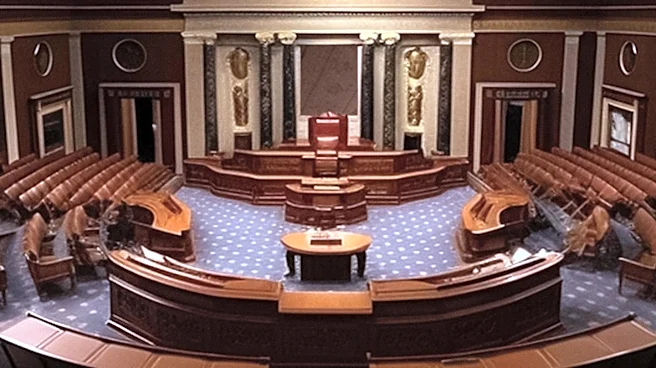
The U.S. Congress is currently reviewing two bipartisan bills, the Recycled Materials Attribution Act and the PACK Act, aimed at modernizing the nation's fragmented recycling system. Currently, nearly 10,000 different recycling systems operate across
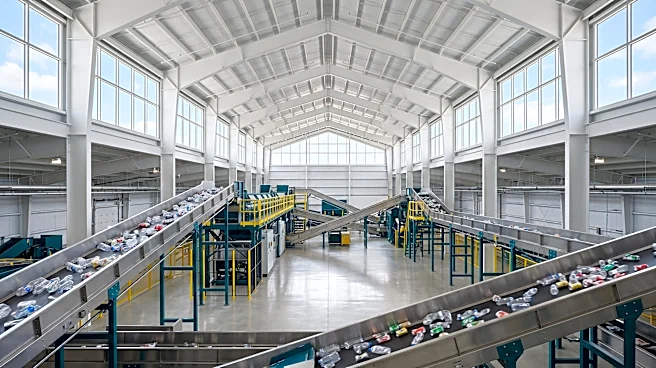
states, counties, and cities, leading to consumer confusion and hindering recycling rates. This patchwork of regulations also creates significant costs for businesses and discourages investment in new recycling technologies. The proposed legislation seeks to establish national standards for recyclable and recycled content claims, ensuring transparency through independent, third-party certification. Additionally, the bills address advanced recycling technologies, which can process materials not handled by traditional methods, such as multilayer wrappers. The legislation also calls for the Federal Trade Commission to update its Green Guides, which have not kept pace with packaging innovations, to provide clear guidelines for companies.
Why It's Important?
Modernizing the U.S. recycling system is crucial for several reasons. The current inconsistencies lead to low recycling rates and increased landfill waste, contributing to environmental degradation. A standardized national system would reduce consumer confusion, making it easier for Americans to recycle effectively. For businesses, clear national guidelines would foster innovation in packaging and technology, encouraging investment in sustainable practices and recycled content. The recycling industry is a significant economic driver, supporting 650,000 American jobs and generating $37.8 billion in wages annually. By improving recycling infrastructure and efficiency, this legislation could boost economic growth, create more jobs, and reduce the financial burden on states and municipalities for waste management. It represents a critical step towards a more sustainable and circular economy in the U.S.
What's Next?
The Recycled Materials Attribution Act and the PACK Act are currently under consideration by the House Energy and Commerce Committee. If passed, these bills would establish national standards for recycling and mandate updates to the Federal Trade Commission's Green Guides. The implementation of these standards would likely lead to a more streamlined and efficient recycling process across the country, potentially doubling U.S. plastic recycling rates. Businesses would need to adapt their packaging and labeling practices to comply with the new national guidelines. Consumers could expect clearer instructions on what can be recycled, fostering greater participation and effectiveness in recycling efforts. The legislation is anticipated to encourage further investment in advanced recycling technologies, expanding the range of materials that can be recovered and reused.
Beyond the Headlines
The push for a modernized recycling system reflects a broader societal shift towards sustainability and environmental responsibility. Beyond the immediate benefits of increased recycling rates and economic growth, this legislation addresses the ethical imperative to reduce waste and conserve resources. The current fragmented system highlights a systemic failure to manage post-consumer materials effectively, contributing to pollution and resource depletion. By creating a unified national approach, the U.S. can demonstrate leadership in addressing global plastic pollution and promoting a circular economy. This initiative could also inspire further innovation in material science and product design, encouraging companies to develop more easily recyclable or reusable products. Ultimately, it represents a commitment to long-term environmental stewardship and a more sustainable future for American communities.