




What's Happening?
Representative Joe Courtney has introduced H.R. 10360, titled the 'Safeguarding Taxpayer Investment for Executive Airlift Act of 2026.' This bill, received on September 14, 2026, and currently having 18 cosponsors, aims to prevent the Department of Defense
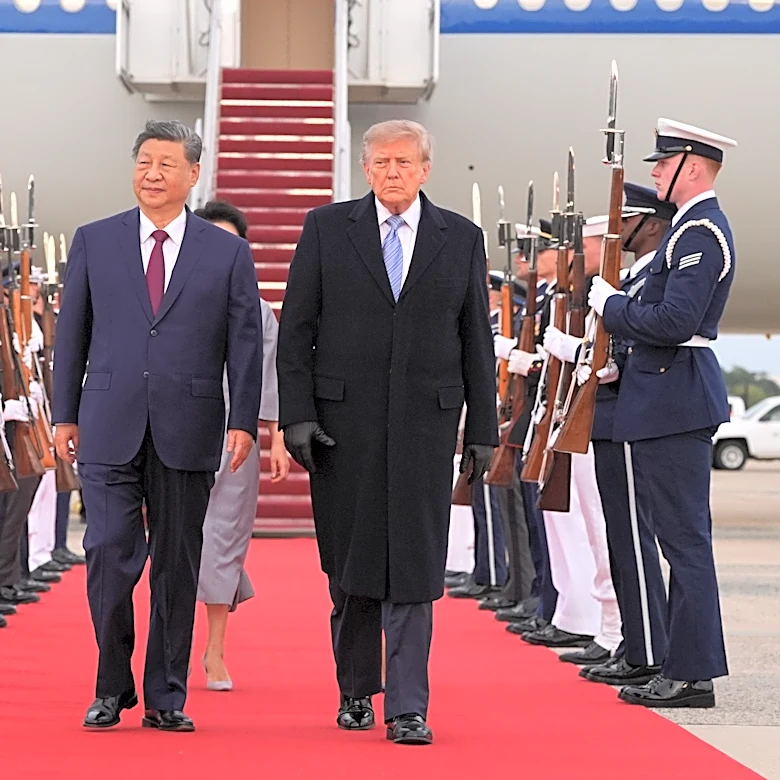
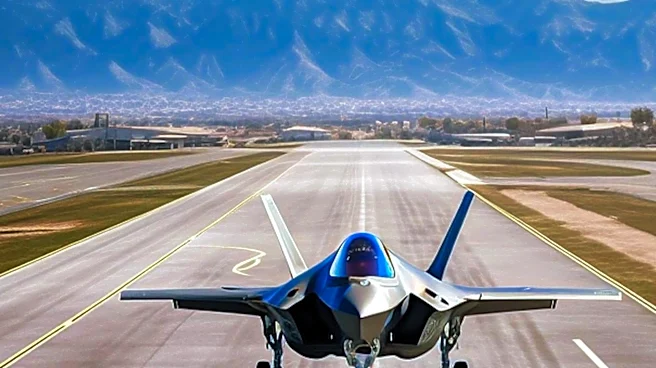
from using fiscal year 2027 funds to sell, donate, or otherwise transfer ownership or control of any aircraft in the VC-25B Bridge program to entities outside the Department of the Air Force. The legislation is designed to ensure these specific aircraft remain under Air Force control, thereby preventing their transfer to private individuals or organizations. The bill does not alter how the aircraft are built, operated, or directly funded, beyond restricting the use of FY2027 defense funds for any external transfer. This move underscores a legislative effort to maintain specific military assets within the established defense framework.
Why It's Important?
This legislation is important for several reasons, primarily concerning national security and fiscal responsibility. By restricting the transfer of VC-25B Bridge program aircraft, the bill aims to preserve critical executive airlift capabilities within the U.S. Air Force. These aircraft are often associated with high-level government transport, and maintaining their control within the Department of Defense ensures operational continuity and security protocols are upheld. From a taxpayer perspective, the bill seeks to safeguard the significant investment made in these specialized aircraft, preventing their potential diversion or misuse outside of their intended military purpose. Any transfer of such assets could raise questions about accountability, security, and the appropriate allocation of defense resources, making this bill a measure to reinforce existing defense asset management principles.
What's Next?
The next step for H.R. 10360 will involve its progression through the legislative process. With 18 cosponsors already, the bill will likely undergo committee review and potentially be brought to a vote in the House of Representatives. If passed by the House, it would then move to the Senate for consideration. The Department of Defense and other relevant agencies will likely monitor the bill's progress, as its passage would directly impact their future asset management policies regarding the VC-25B Bridge program. Stakeholders interested in defense spending and military asset control will be watching to see if this measure gains broader bipartisan support and ultimately becomes law, thereby solidifying the Air Force's long-term control over these specific aircraft.
Beyond the Headlines
Beyond the immediate implications of asset control, this bill touches upon broader themes of government oversight and the potential for privatization of military assets. The introduction of such legislation suggests a concern within Congress about the potential for valuable defense resources to be transferred out of public hands, possibly leading to questions about transparency and the public interest. It highlights the ongoing tension between maintaining robust public control over strategic assets and potential pressures for alternative uses or dispositions. The bill could also set a precedent for how future specialized military programs are managed and protected from external transfers, reinforcing the idea that certain defense investments are too critical to be divested without explicit legislative approval. This reflects a deeper commitment to ensuring that taxpayer-funded military capabilities remain dedicated to their intended national defense roles.