





What's Happening?
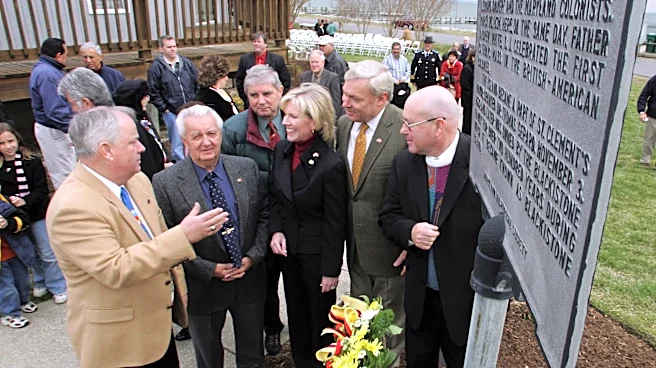
Winston-Salem officials are preparing to unveil a historic marker this weekend to honor the Sidestown community, a once-thriving African American settlement. Sidestown was established in the decades following the Civil War by freed African Americans who
had close ties to nearby Moravian settlements. The community was situated along what was formerly known as Alspaugh Street, now Madison Avenue, within the Ardmore neighborhood. Historically, Sidestown included homes, a school, and the Sidestown AME Zion Church, which was demolished in the 1950s. While much of the original area has undergone redevelopment, a cemetery containing the graves of at least 115 residents still remains. Winston-Salem’s Historic Resources Officer Isabel Coletti emphasized the importance of remembering Sidestown's legacy, stating that the marker program aims to identify the people who contributed to building the city and to ensure that cemeteries, even those in less visible locations, are remembered for their historical significance. The unveiling ceremony is scheduled for Sunday at 3 p.m.
Why It's Important?
The unveiling of the historic marker for Sidestown is a significant event for Winston-Salem, as it formally recognizes and preserves the memory of a vital African American community that played a role in the city's development. This act of historical preservation is crucial for acknowledging the contributions of often-overlooked populations and for providing a more complete narrative of local history. For descendants of Sidestown residents and the broader African American community, the marker serves as a tangible link to their heritage and a testament to the resilience and community-building efforts of their ancestors. It also educates the wider public about the historical landscape of Winston-Salem, fostering a deeper understanding of the city's diverse past. By highlighting communities like Sidestown, cities can address historical omissions and promote a more inclusive sense of identity and belonging among their residents, reinforcing the importance of remembering all who helped shape a community.
What's Next?
The unveiling ceremony for the historic marker will take place on Sunday at 3 p.m., marking the official recognition of the Sidestown community. This event will likely be attended by city officials, local historians, community members, and potentially descendants of Sidestown residents. Following the unveiling, the marker will serve as a permanent educational tool, providing information about the community's history and significance to visitors and residents. The initiative by Winston-Salem’s Historic Resources Officer Isabel Coletti to identify and commemorate such sites suggests a broader ongoing effort to document and honor other historical communities and individuals who contributed to the city's growth. This could lead to further historical preservation projects and increased public awareness of the diverse historical fabric of Winston-Salem.
Beyond the Headlines
The commemoration of Sidestown extends beyond a simple historical marker; it represents a broader societal movement towards acknowledging and rectifying historical injustices and oversights. The demolition of the Sidestown AME Zion Church in the 1950s and the subsequent redevelopment of much of the area reflect patterns of urban renewal that often displaced or erased minority communities. By actively remembering Sidestown, Winston-Salem is engaging in a process of historical reconciliation, ensuring that the narratives of all its citizens are valued and preserved. This effort can inspire other communities to investigate and honor their own hidden histories, fostering a more inclusive understanding of American heritage. It also underscores the ethical responsibility of modern urban planning to consider and protect historical sites, particularly those representing marginalized groups, to prevent future erasures and ensure that the full story of a place is told.