



What's Happening?
North Korea continues to enforce strict dress codes, particularly banning jeans and denim apparel in public spaces for its citizens, a policy initiated under Kim Jong-il in the 1990s. This ban is rooted in the government's ideological view that denim symbolizes
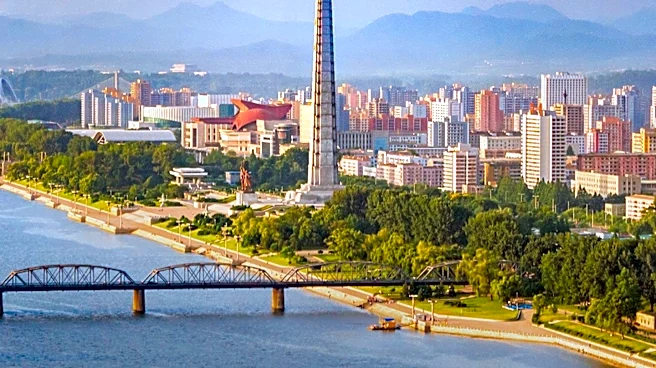
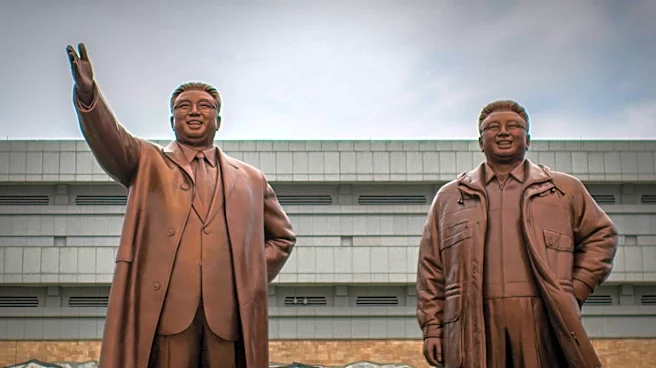
U.S. imperialism and Western cultural values, which are seen as contradictory to socialist principles. The legal framework for this ban was strengthened in late 2020 with the Law on Eliminating Reactionary Thought and Culture. While foreign tourists are not explicitly banned from wearing jeans during general travel activities, they are expected to adhere to local customs and tour guide instructions. Specifically, wearing jeans is deemed unacceptable when visiting sacred national sites such as the Kumsusan Palace of the Sun or Mansudae Grand Monument in Pyongyang, where neat formal attire is required as a sign of respect. Tour guides verify tourist clothing before entry to these locations.
Why It's Important?
This strict enforcement of dress codes highlights North Korea's ongoing efforts to control foreign cultural influence and maintain its socialist ideology. For U.S. citizens and other international travelers, it underscores the unique cultural and political landscape they must navigate when visiting the country. The distinction between rules for locals and tourists, while offering some leniency to visitors, still imposes significant restrictions that are uncommon in most travel destinations. This policy reflects the regime's deep-seated concerns about external influences and its commitment to preserving its distinct societal norms. The ban on jeans, specifically, serves as a symbolic rejection of Western individualism and freedom, reinforcing the state's narrative of self-reliance and ideological purity.
What's Next?
North Korea is expected to continue enforcing these dress code regulations, especially at significant national sites, as part of its broader strategy to control cultural narratives and maintain social order. Tourists planning to visit North Korea will need to remain aware of and comply with these specific clothing requirements, particularly for visits to sensitive locations. Tour operators will likely continue to play a crucial role in informing visitors about appropriate attire to ensure compliance and avoid potential issues. The government's consistent messaging through state media, such as Rodong Sinmun, indicates a sustained commitment to these ideological directives, suggesting no immediate relaxation of these rules is anticipated.
Beyond the Headlines
The North Korean dress code, particularly the ban on jeans, extends beyond mere fashion preferences; it is a potent symbol of the country's isolationist policies and its ideological struggle against perceived Western cultural encroachment. This policy reflects a broader governmental strategy to control every aspect of public life, from appearance to thought, to maintain a homogenous and ideologically pure society. The enforcement mechanisms, including inspection units like Gyuchaldae, demonstrate the pervasive nature of state surveillance and control. For international observers, these regulations offer a glimpse into the unique challenges and complexities of engaging with a society so deeply shaped by its political ideology, where even clothing choices carry significant political and cultural weight.