


What's Happening?
President Trump has expressed a strong desire to acquire Greenland, a semiautonomous territory of Denmark, leading to significant geopolitical tensions. The U.S. administration has not ruled out the possibility of taking the island by force, which has alarmed
both Greenlandic and Danish officials. U.S. Vice President JD Vance is scheduled to meet with Danish and Greenlandic officials in Washington to discuss the situation. Greenland's Prime Minister Jens-Frederik Nielsen has reaffirmed the territory's allegiance to Denmark and NATO, emphasizing the strategic importance of Greenland due to its potential for shorter trade routes and untapped mineral resources. Local residents and officials have expressed concerns over the U.S.'s intentions, with some filing complaints against what they perceive as aggressive behavior from American officials.
Why It's Important?
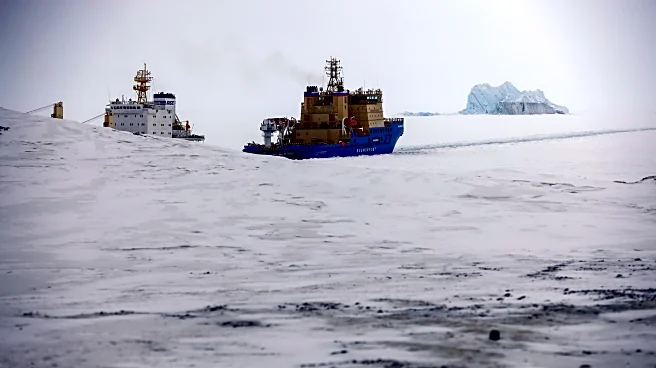
The situation highlights the strategic importance of Greenland in global geopolitics, particularly as climate change opens new trade routes and access to valuable resources. The U.S.'s interest in Greenland could be seen as part of a broader strategy to counter Russian and Chinese influence in the Arctic. However, the aggressive approach has raised concerns about the potential destabilization of NATO alliances and the sovereignty of Greenland. The outcome of these discussions could have significant implications for international relations and the balance of power in the Arctic region. The situation also underscores the complexities of territorial claims and the potential for resource-driven conflicts.
What's Next?
The upcoming meeting between U.S., Danish, and Greenlandic officials will be crucial in determining the future of U.S.-Greenland relations. It remains to be seen how Denmark and Greenland will respond to U.S. pressures and whether diplomatic solutions can be reached. The international community will be closely watching these developments, as they could set precedents for future territorial negotiations and resource claims. The potential for increased U.S. military presence in Greenland could also lead to further geopolitical shifts in the Arctic.
Beyond the Headlines
The situation raises ethical questions about the sovereignty of smaller nations and territories in the face of larger powers seeking strategic advantages. It also highlights the potential environmental impacts of increased resource extraction in the Arctic, which could exacerbate climate change effects. The cultural and social implications for Greenlanders, who benefit from Danish support in areas like healthcare and education, are also significant, as any change in governance could alter their way of life.