




What's Happening?
The National Highway Traffic Safety Administration (NHTSA) has launched an investigation into more than 1 million Honda vehicles following numerous complaints regarding their automatic stop-start systems. The probe, initiated as an engineering analysis
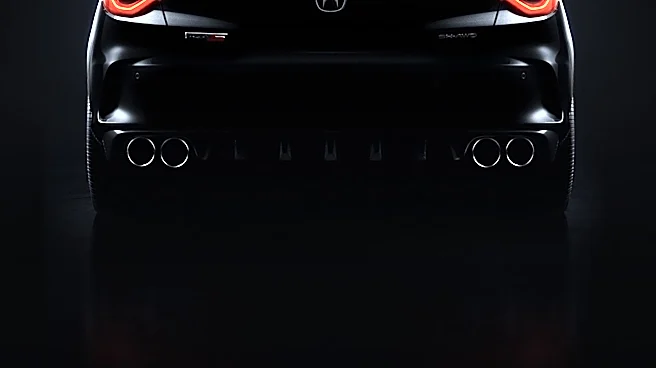
on November 13, focuses on 2024-2026 model-year Honda Odyssey, Passport, Ridgeline, and Pilot vehicles, as well as the Acura MDX. NHTSA's Office of Defects Investigation has received 701 complaints alleging that the engines fail to restart after the stop-start system has shut them off to conserve fuel. This system is designed to automatically restart the engine when the driver releases the brake pedal. The agency aims to determine the scope and severity of this potential problem and assess any associated safety risks. No crashes or injuries have been reported in connection with this specific probe.
Why It's Important?
This investigation is significant as it affects over a million vehicles, potentially impacting a large number of Honda and Acura owners in the U.S. The failure of an engine to restart, even if not directly causing accidents, can lead to inconvenient and potentially hazardous situations, especially in traffic or at intersections. Such issues can erode consumer confidence in vehicle reliability and safety features. For Honda, a recall, if deemed necessary, could result in substantial financial costs for repairs and reputational damage. This probe also highlights the increasing complexity of modern vehicle systems, where features designed for efficiency, like stop-start technology, can introduce new points of failure that require regulatory oversight. The fact that NHTSA already has a separate, broader investigation into similar issues across earlier model years suggests a persistent challenge with this technology.
What's Next?
NHTSA's engineering analysis will delve deeper into the root causes of the stop-start system failures. This stage of investigation can potentially lead to a recall request if the agency determines a significant safety defect exists. The current probe covers vehicles from 2024-2026, with NHTSA noting that these newer models appear to have different root causes and respond differently to repairs compared to vehicles covered by an earlier investigation (EA25004) opened in March 2025, which included about 2.2 million vehicles from 2015-2025 model years. Honda will likely cooperate with NHTSA, providing data and potentially developing solutions to address the reported issues. The outcome of this investigation could influence future design and software updates for Honda's stop-start systems across its vehicle lineup.
Beyond the Headlines
The recurring issues with stop-start technology across various model years and manufacturers underscore a broader challenge in integrating advanced fuel-saving features into vehicles. While these systems are crucial for meeting fuel economy standards and reducing emissions, their reliability directly impacts driver experience and safety. This situation could prompt a re-evaluation of the robustness and fail-safe mechanisms of such technologies across the automotive industry. Furthermore, it highlights the critical role of regulatory bodies like NHTSA in monitoring and ensuring vehicle safety, especially as cars become more technologically advanced. The distinction between 'different root causes' for newer models suggests that manufacturers are continuously iterating on these systems, but not always successfully resolving underlying issues, leading to ongoing scrutiny.