







What's Happening?
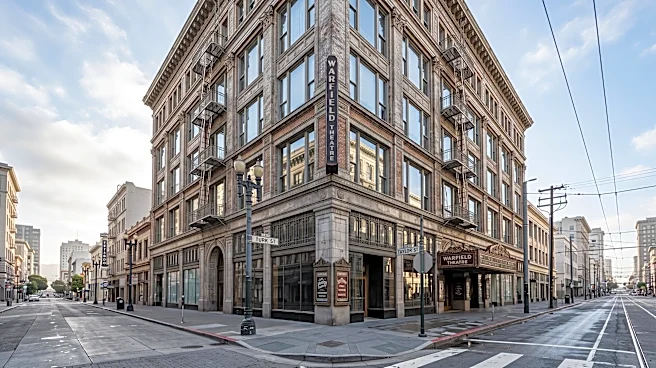
On October 30, 2026, San Francisco Mayor Daniel Lurie signed legislation to expand the landmark designation for the site of the Compton’s Cafeteria Riot. The entire building at the corner of Turk and Taylor streets, which once housed Gene Compton’s Cafeteria,
is now recognized as a city landmark. This expansion follows an earlier designation in 2022 by the San Francisco Board of Supervisors, which landmarked the intersection and a portion of the building's exterior walls. In January 2025, federal officials also listed the site on the National Register of Historic Places. The Compton’s Cafeteria Riot, occurring in August 1966, is considered a pivotal moment in the fight for transgender rights, sparked by a drag queen customer throwing coffee at a police officer attempting an arrest.
Why It's Important?
This expanded landmark designation is a significant step in recognizing and preserving LGBTQ+ history, particularly the early struggles for transgender rights in the United States. By landmarking the entire building, San Francisco reaffirms the importance of this site as a symbol of resistance and a foundational event in the LGBTQ+ liberation movement. This action comes at a time when, according to Transgender District co-Executive Directors Breonna McCree and Carlo Gomez Arteaga, there is 'continued erasure of trans and nonbinary people at the national and local level.' The designation helps ensure that the historical significance of the Compton's Cafeteria Riot is remembered and honored, providing a tangible link to the past for future generations and reinforcing the city's commitment to its diverse communities.
What's Next?
While the exterior of the building is now fully landmarked, city officials have postponed decisions on landmarking the interior spaces. This delay is due to the need to gain access to the interior and assess its preservation merit. The property owner, GEO Group, a Florida-based company operating a halfway house on the site, has expressed objections to landmarking the interior. Future discussions and negotiations will likely be required to determine the fate of the building's interior. The expanded landmark status may also encourage further educational initiatives and public engagement with the history of the Compton's Cafeteria Riot and its legacy within the transgender rights movement.
Beyond the Headlines
The landmarking of the Compton's Cafeteria site goes beyond mere architectural preservation; it is a powerful act of cultural and historical reclamation. It acknowledges the often-overlooked contributions and struggles of transgender and queer individuals in the fight for civil rights. The resistance from the property owner regarding the interior landmarking highlights ongoing tensions between historical preservation and private property rights, especially when the historical significance is tied to marginalized communities. This event also underscores the evolving understanding of what constitutes a 'historic site' and the importance of recognizing spaces that were central to social justice movements, even if they are not traditional monuments. It serves as a reminder that history is not just about grand events but also about the everyday acts of defiance that lead to significant social change.