







What's Happening?
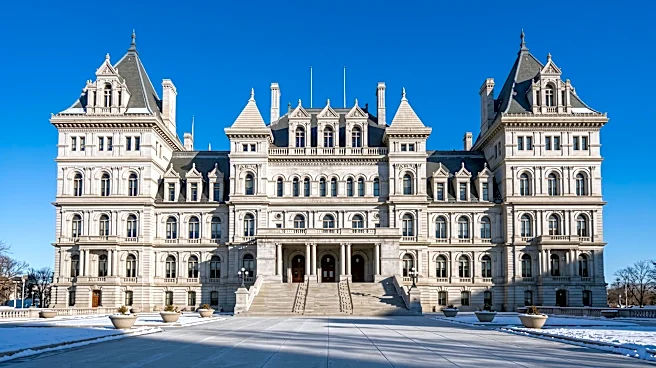
The New York State Division of Consumer Protection (DCP) is providing resources and tips to help New Yorkers manage high energy bills as winter approaches. Secretary of State Walter T. Mosley highlighted that long winters can create an economic burden
for households due to increased energy use. The DCP, in collaboration with the New York State Office of Temporary and Disability Assistance (OTDA) and the New York State Energy Research and Development Authority (NYSERDA), is offering various programs and advice. These include the expanded Energy Affordability Program (EAP), which now makes half of all New York households eligible for relief, and the Home Energy Assistance Program (HEAP). Additionally, the DCP is distributing a 'Money Savings Guide' and a 'Home Heating with Oil and Propane Guide,' along with community workshops on managing utility costs. NYSERDA President and CEO Doreen M. Harris emphasized the importance of weatherizing homes and making efficiency upgrades to mitigate energy loss.
Why It's Important?
The initiative by the New York State Division of Consumer Protection is crucial for alleviating financial strain on New York households facing rising energy costs, particularly during the colder months. High energy bills can significantly impact household budgets, potentially leading to difficult choices between heating and other essential needs. By offering programs like the EAP and HEAP, the state aims to provide direct financial assistance, making energy more affordable for low- and middle-income families and older adults. The emphasis on energy-saving tips and home weatherization also promotes long-term financial stability for consumers by reducing overall energy consumption. This proactive approach helps to protect vulnerable populations from energy poverty and contributes to broader economic stability within the state by reducing the financial burden on residents.
What's Next?
New Yorkers are encouraged to check their eligibility and apply for programs such as the Energy Affordability Program (EAP) and the Home Energy Assistance Program (HEAP) as the winter season approaches. The DCP will continue to offer community workshops and distribute guides to help residents manage utility costs and improve energy efficiency. Homeowners and renters can also explore resources from NYSERDA for home energy-efficiency projects and assessments. The Department of Public Service invites all New York households to determine their eligibility for the Energy Affordability Program, which aims to cap monthly electric and natural gas utility bills at less than 6% of household income. These ongoing efforts will provide continuous support and education to help New Yorkers navigate energy expenses throughout the winter.
Beyond the Headlines
Beyond immediate financial relief, the state's focus on energy efficiency and consumer education has broader implications for environmental sustainability and infrastructure resilience. Encouraging weatherization and energy-saving practices not only reduces individual utility bills but also decreases overall energy demand, lessening the strain on the state's energy grid and contributing to a reduction in carbon emissions. The promotion of energy-efficient appliances and home improvements aligns with long-term climate goals and fosters a culture of responsible energy consumption. Furthermore, by educating consumers on how to manage their energy use, the state is empowering residents to make informed decisions that can lead to more sustainable living practices and a more resilient energy system in the face of future climate challenges and economic fluctuations.