



What's Happening?
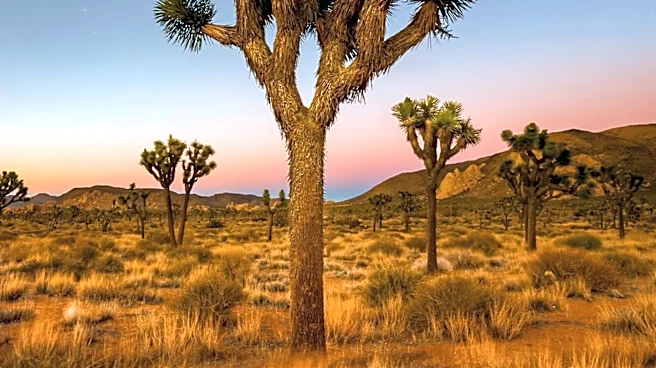
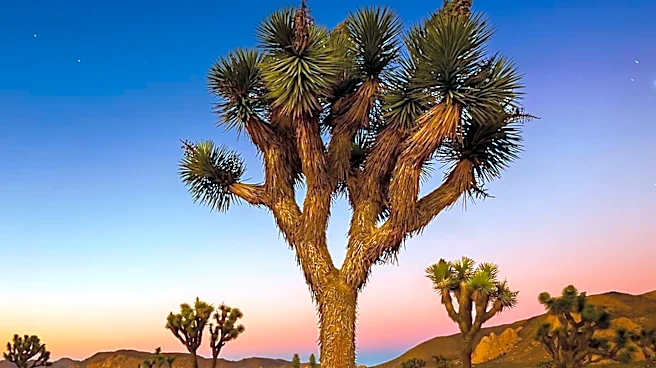
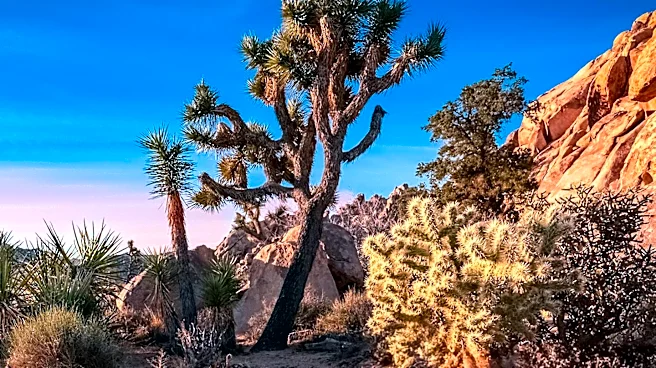
Joshua Tree National Park, located in southern California where the Mojave and Colorado deserts converge, is a popular destination known for its unique landscapes, rock climbing, bouldering, camping, and hiking. The park is characterized by its iconic
Joshua trees and monzogranite boulder piles in the higher Mojave section, while the lower Colorado Desert features ocotillo and cholla cactus gardens. Visitors can engage in activities like scrambling on the coarse, grippy monzogranite rocks, with areas like Hidden Valley and Jumbo Rocks being particularly rewarding. The park is also recognized as an International Dark Sky Park, offering exceptional stargazing opportunities due to its minimal light pollution. While the park is open year-round, the most comfortable visiting periods are during spring and fall, with summer offering unique night sky views despite extreme heat. Essential planning for visitors includes fueling up before entering, as there are no gas stations inside the park, and being aware of limited cell service in most interior areas. Potable water is only available at Black Rock and Cottonwood campgrounds, necessitating visitors to fill freshwater tanks beforehand.
Why It's Important?
Joshua Tree National Park's significance extends beyond its natural beauty, contributing to regional tourism and outdoor recreation industries. Its designation as an International Dark Sky Park highlights the importance of preserving natural nightscapes, which benefits astrotourism and scientific research. The park's diverse ecosystems, where two distinct deserts meet, offer unique educational opportunities for understanding desert ecology and conservation efforts. The popularity of rock climbing and bouldering attracts a specific demographic of outdoor enthusiasts, supporting local businesses in surrounding towns like Yucca Valley, Joshua Tree village, and Twentynine Palms, which provide amenities, accommodations, and services. The park's emphasis on quiet, open spaces and a slower pace of life offers a crucial escape from urban environments, promoting mental well-being and a connection with nature. However, the extreme summer temperatures and limited resources within the park underscore the importance of responsible tourism and environmental awareness to ensure visitor safety and the preservation of this fragile desert environment.
What's Next?
Visitors planning a trip to Joshua Tree National Park should consider the optimal visiting seasons, which are October through May, to avoid the extreme summer heat that can exceed 110°F in the lower Colorado Desert section. Reservations for popular central-park campgrounds like Jumbo Rocks and Hidden Valley are highly recommended, especially during fall and spring weekends, as they tend to fill up by Thursday afternoons. Travelers should ensure their vehicles are fueled and freshwater tanks are full before entering the park, as services are limited inside. Given the non-existent cell service in most of the park's interior, downloading offline maps and informing someone of travel plans is advisable for safety. For those seeking quieter corners of the park, a 4WD vehicle can be beneficial for accessing roads like Geology Tour Road, Berdoo Canyon, and Pinkham Canyon. Continued efforts in park management will likely focus on balancing visitor access with conservation, particularly concerning the impact of increased tourism on the delicate desert ecosystem and maintaining its dark sky status.
Beyond the Headlines
The allure of Joshua Tree National Park goes beyond its scenic vistas, tapping into a broader cultural and ethical dimension. The park has long attracted artists and musicians, fostering a unique creative community in the surrounding high desert towns. This artistic presence contributes to the area's distinct identity, blending natural inspiration with human expression. The park's remote nature and the emphasis on quiet, wide-open spaces encourage a deliberate slowing down, offering a counter-narrative to the fast-paced modern lifestyle. This intentional pace, coupled with the profound experience of stargazing in a designated Dark Sky Park, can foster a deeper appreciation for natural phenomena and the cosmos. Ethically, the park serves as a critical reminder of the importance of preserving wilderness areas and their unique biodiversity, especially in the face of climate change and increasing human impact. The challenges of limited resources and extreme weather within the park also highlight the need for sustainable tourism practices and respect for the desert environment, ensuring its preservation for future generations.