



What's Happening?
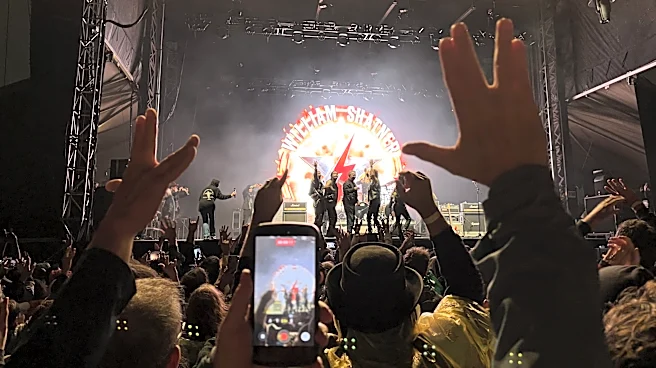
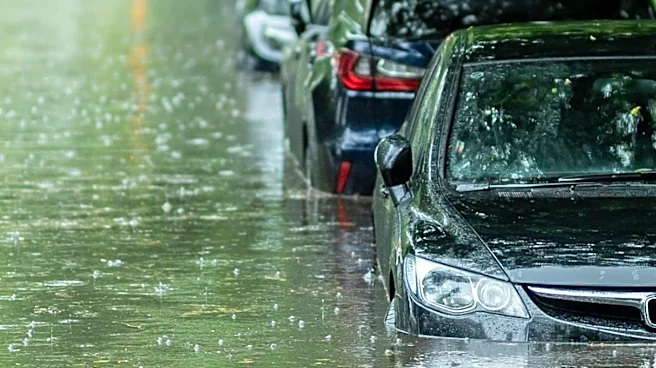
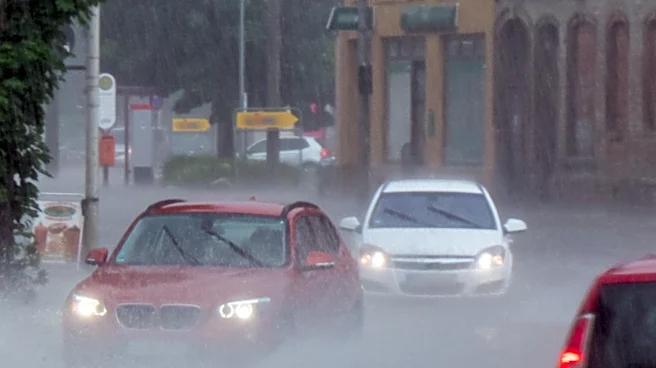
Douglass Park in Chicago is undergoing restoration efforts after Riot Fest, a three-day music festival, turned into a 'mud-pocalypse' due to heavy rainfall. The festival, known for its diverse music lineup, was deluged with the most rain Chicago has seen
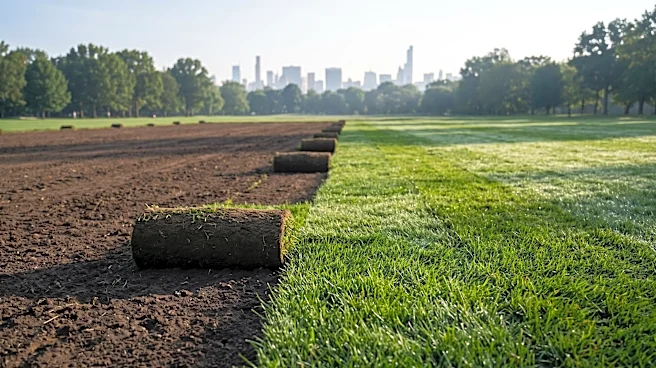
in a two-day September period since 2019. This resulted in the park grounds becoming a quagmire, with attendees navigating slippery and swampy conditions. Festival organizers were forced to cut short festivities on Saturday and Sunday. Riot Fest founder Mike Petryshyn has pledged to restore the park to its original condition, a requirement stipulated in their contract with the city. The restoration work is now underway to repair the damage caused by the weather and the large crowds.
Why It's Important?
The extensive damage to Douglass Park and the subsequent restoration efforts highlight the significant environmental and logistical challenges associated with hosting large-scale events in urban green spaces, particularly when impacted by adverse weather. This situation underscores the importance of robust contingency planning and contractual obligations for event organizers to ensure public parks are protected and promptly restored. For Chicago, a city that frequently hosts major events, this incident could lead to a review of permitting processes, environmental impact assessments, and insurance requirements for future festivals. It also brings to light the potential strain on city resources and the need for effective collaboration between event promoters and municipal authorities to mitigate environmental damage and ensure public safety and park usability for residents.
What's Next?
Riot Fest organizers are expected to continue their restoration work to fulfill their contractual obligations and return Douglass Park to its pre-festival state. This process will likely involve significant landscaping and ground repair. The incident may prompt Chicago city officials to re-evaluate the terms and conditions for hosting large events in public parks, potentially leading to stricter environmental protection clauses, increased bond requirements, or more rigorous weather-related contingency plans. There could also be public discussions and community feedback regarding the use of Douglass Park for such large events, balancing the economic benefits of festivals with the preservation of public green spaces. Future event planning in Chicago will likely consider lessons learned from this 'mud-pocalypse' to prevent similar occurrences.
Beyond the Headlines
This event touches upon the broader tension between urban development, entertainment, and environmental stewardship. As cities increasingly utilize public parks for large-scale commercial events, the ecological impact and the long-term sustainability of these green spaces become critical concerns. The 'mud-pocalypse' at Douglass Park serves as a vivid reminder of how climate change and extreme weather events can exacerbate these challenges, forcing cities and event organizers to adapt. It also raises questions about equitable access to public parks, as extensive closures for events and subsequent restoration can limit recreational opportunities for local residents. The incident could stimulate a wider conversation about balancing economic gains from tourism and events with the imperative to protect and maintain urban natural resources for community well-being.