






What's Happening?
The United States is grappling with a cyclospora outbreak that has affected thousands across at least 41 states. The outbreak has been complicated by confusing product recalls and poor communication. The Food and Drug Administration (FDA) is investigating
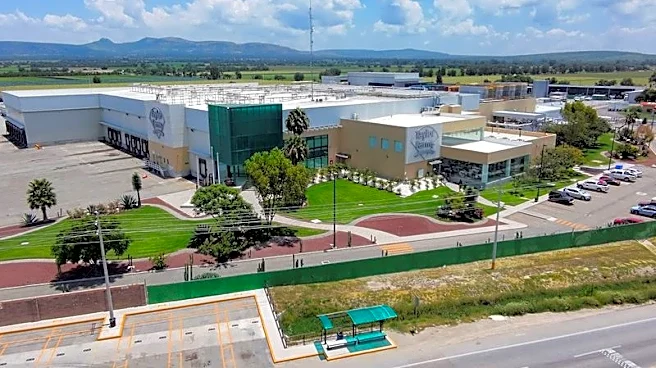
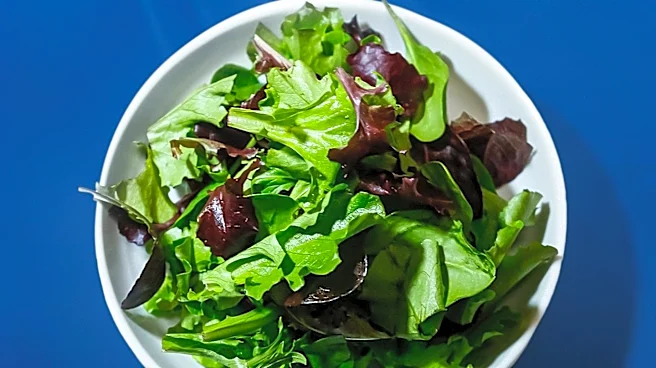
the source of the outbreak, which has been linked to shredded iceberg lettuce from Taylor Farms, a major producer with facilities in Mexico. The outbreak has led to a recall of potentially contaminated lettuce, but the process has been marred by confusion and reversals. The FDA has warned against consuming certain lettuce products, but the lack of clear communication has left consumers and businesses uncertain about which products are safe.
Why It's Important?
The cyclospora outbreak highlights significant challenges in the U.S. food safety system, particularly in tracing and managing foodborne illnesses. The confusion surrounding the recall process underscores the need for improved regulatory measures and communication strategies. The outbreak poses a risk to public health, with cyclospora causing severe intestinal illness. The situation also raises concerns about the effectiveness of current food safety regulations and the ability of major food producers to manage contamination risks. The delay in implementing the Food Traceability Rule, which could help trace contaminated products more quickly, further complicates the response to such outbreaks.
What's Next?
The FDA and other health authorities are expected to continue their investigations to identify the source of the contamination and prevent further spread. The implementation of the Food Traceability Rule, set to take effect in 2028, may provide a more robust framework for managing future outbreaks. In the meantime, businesses and consumers are advised to stay informed about recalls and follow safety guidelines to minimize health risks. The situation may prompt calls for more immediate regulatory changes to enhance food safety and prevent similar outbreaks in the future.