




What's Happening?
U.S. Rep. Ayanna Pressley (D-Mass.) has introduced federal job guarantee legislation during the Congressional Black Caucus Foundation’s 55th Annual Legislative Conference. The legislation proposes that the federal government guarantee jobs paying no less
than $25 per hour. Pressley highlighted the significant racial disparities in unemployment, citing Bureau of Labor Statistics data showing white unemployment at 3.7% compared to 6% for African Americans. She also noted that Black women are the primary breadwinners in 80% of Black households. The discussion, part of a panel titled 'Black Jobs, Black Women, Black Families, Black Futures: A Pathway to an Inclusive Job Market,' underscored the systemic financial pressures faced by Black families and the broader impact of unemployment on household income and access to basic needs like health insurance. Ofronama Biu, chief economist of the Maven Collaborative, presented data indicating that when a Black woman becomes unemployed, her household income averages $44,000, significantly lower than the $80,000 for households with unemployed white women.
Why It's Important?
This proposed legislation is important as it directly addresses persistent economic inequalities and aims to mitigate the disproportionate impact of unemployment on Black communities in the U.S. The focus on a federal job guarantee with a minimum wage of $25 per hour could significantly alter the economic landscape for many low-income households, particularly those headed by Black women. By advocating for maximum employment, the legislation seeks to fulfill a mandate that could stabilize families and reduce reliance on short-term financial solutions. The current unemployment rates and the financial strain on Black households, including reduced access to health insurance, highlight a critical need for policy interventions. If enacted, this bill could represent a substantial shift in federal economic policy, potentially leading to a more inclusive job market and addressing systemic issues that contribute to economic instability within marginalized communities.
What's Next?
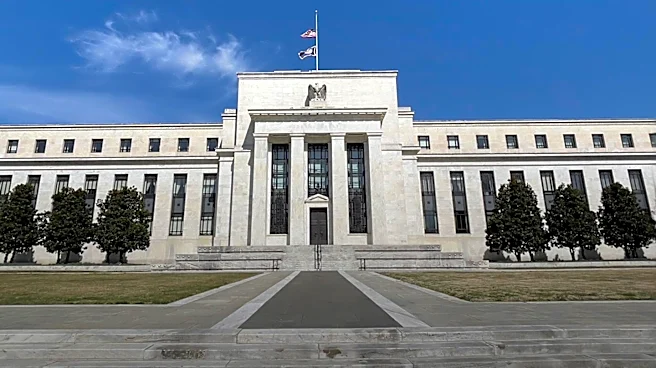
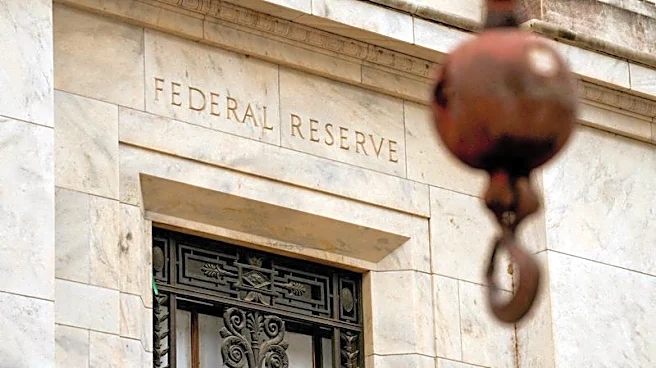
The federal job guarantee legislation introduced by Representative Pressley will now proceed through the legislative process, requiring support from other lawmakers and potentially committee hearings. The bill, H.R. 10597: Affordability is Access Act of 2026, already has 38 cosponsors, indicating some level of initial support. The ongoing discussions within the Congressional Black Caucus Foundation and other advocacy groups will likely continue to build momentum and public awareness for the proposed measures. Stakeholders, including labor unions, civil rights organizations, and economic policy think tanks, are expected to engage in debates surrounding the feasibility and potential economic impacts of a federal job guarantee. The Federal Reserve will also be a key entity to watch, as Pressley specifically called on it to fulfill its mandate of maximum employment. The legislative journey will involve navigating potential opposition regarding the cost and implementation of such a large-scale federal program.
Beyond the Headlines
Beyond the immediate economic implications, this legislation touches upon deeper societal issues of racial equity and economic justice. The framing of unemployment as 'Black suffering' that is 'systemic' and 'endemic' underscores a call for policies that acknowledge and actively dismantle historical disadvantages. The personal anecdote shared during the panel, where a congressional staff member collected a job seeker's resume, highlights the human element of economic hardship and the need for compassionate policy responses. This initiative could spark broader conversations about the role of the federal government in ensuring economic security for all citizens, challenging conventional approaches to unemployment benefits and workforce development. It also brings to the forefront the legacy of figures like Coretta Scott King, who advocated for full employment as an economic right, suggesting a long-term vision for a more equitable economic system in the U.S.