






What's Happening?
The City of Madison is developing a network of Community Resilience Hubs to provide support to residents during various emergencies. These hubs are established within trusted, local community spaces and are designed to expand their capabilities to assist
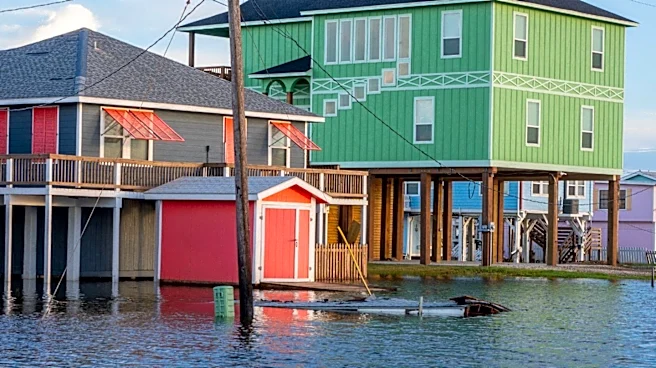
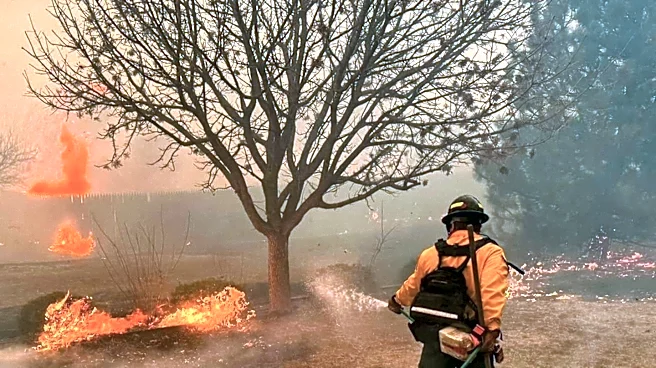
neighborhoods during events such as severe weather, extreme temperatures, power outages, poor air quality, and floods. The resources offered by these hubs can include the distribution of supplies, device charging stations, relief from environmental elements, and disaster recovery information. The Boys & Girls Clubs of Dane County's Allied Family Center and Wisconsin Youth Company's Elver Park Neighborhood Center are the first two organizations to join this new Community Resilience Hub Network.
Why It's Important?
This initiative is crucial for enhancing community preparedness and response to the increasing frequency and intensity of disruptive weather events, which Mayor Satya Rhodes-Conway attributes to climate change. By leveraging existing community spaces, the City of Madison aims to provide accessible and familiar points of contact for residents during crises, ensuring that vital resources and support are available closer to where people live. This localized approach can significantly reduce the impact of emergencies on vulnerable populations and improve overall community resilience. The involvement of established organizations like the Boys & Girls Clubs and Wisconsin Youth Company highlights the importance of collaborative efforts between municipal government and community partners in addressing public safety and welfare.
What's Next?
The City of Madison plans to expand the Community Resilience Hub Network by collaborating with additional community organizations. This expansion will aim to increase the reach and accessibility of emergency support services across more neighborhoods. Future steps will likely involve identifying and onboarding new partners, providing them with the necessary training and resources to function as effective resilience hubs. The program will also likely involve ongoing assessment and adaptation to ensure that the hubs meet the evolving needs of the community in the face of various disruptions. Residents can expect to see more local centers equipped to provide assistance during emergencies.
Beyond the Headlines
The establishment of Community Resilience Hubs reflects a proactive and adaptive approach to urban planning and disaster management in the face of climate change. It acknowledges that traditional emergency response systems may not always be sufficient or immediately accessible at the hyper-local level. By empowering community centers, the initiative fosters a sense of collective responsibility and self-reliance within neighborhoods. This model could serve as a blueprint for other cities grappling with similar challenges, emphasizing the importance of social infrastructure in building resilience. It also subtly highlights the growing recognition of climate change's direct impact on daily life and the need for localized, community-driven solutions.