



What's Happening?
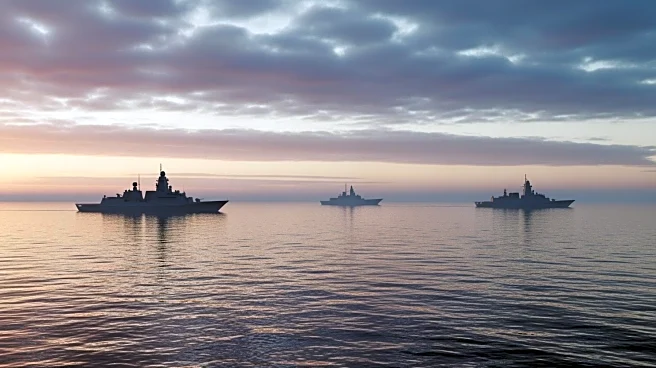
Naval forces from Russia, China, and Iran are gathering in South Africa for Exercise Mosi-3, a BRICS initiative set to begin in early January. The exercise involves several naval vessels, including China's Type 052DL guided-missile destroyer Tangshan
and Type 903A replenishment ship Taihu, which made a port call in Mombasa. The Russian Steregushchiy Class corvette Stoykiy and its escorting Altay Class oiler Yelnya are also participating, having traveled from the Baltic Fleet base. The Iranian Navy's 103rd Flotilla is expected to join, although tensions with Kenya may prevent them from docking there. The exercise highlights the strategic military presence in the region, with potential implications for the Red Sea and Gulf of Aden.
Why It's Important?
The naval exercises underscore the growing military collaboration among Russia, China, and Iran, which could shift power dynamics in the region. This collaboration may challenge U.S. and Western influence in strategic maritime areas, potentially affecting global trade routes and security. The presence of these naval forces in the Red Sea and Gulf of Aden could lead to increased tensions and the possibility of confrontations, impacting international relations and regional stability. The exercises also reflect the broader geopolitical strategy of BRICS nations to assert their influence on the global stage.
What's Next?
Following the exercises, the participating naval forces are expected to continue their strategic deployments, with the Russian flotilla scheduled to visit Tanzania, Guinea, and Mozambique. The ongoing military presence in the region may prompt responses from Western nations, including potential diplomatic engagements or increased naval patrols to ensure the security of international waters. The exercises could also lead to further military collaborations among BRICS nations, influencing future geopolitical alignments.