






What's Happening?
India's medical and wellness tourism sector is evolving into a comprehensive healthcare model that integrates advanced medical treatments, preventive care, traditional wellness systems, rehabilitation, and digital services. This expansion is supported
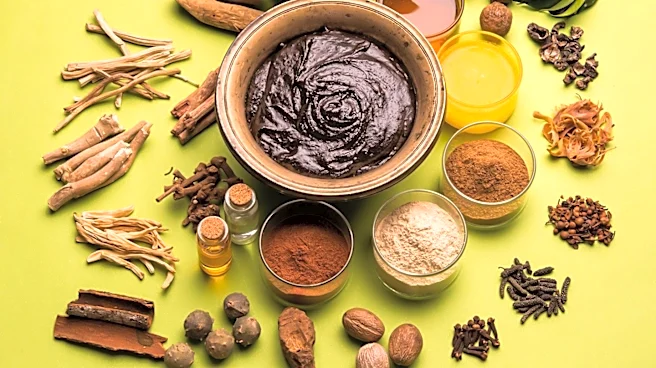
by government initiatives such as the Ayush Visa, quality benchmarks, and the establishment of regional medical hubs. The country aims to combine modern healthcare infrastructure with traditional systems like Ayurveda, Yoga, and Naturopathy (AYUSH). The number of international patients visiting India has significantly increased, indicating a growing interest in both medical treatment and wellness-based therapies. The future of this sector in India is moving towards offering complete healthcare journeys, including diagnosis, treatment, recovery, rehabilitation, and wellness experiences.
Why It's Important?
This development is significant for the global healthcare landscape, particularly for U.S. citizens seeking alternative or more affordable medical and wellness options. The integration of traditional AYUSH systems with modern medicine offers a unique value proposition, potentially attracting a diverse range of international patients. The focus on quality standards, digital healthcare services, and international patient facilitation aims to build trust and streamline the process for foreign visitors. This trend could influence U.S. healthcare discussions by highlighting models that combine preventive care, holistic well-being, and specialized medical treatments, potentially inspiring similar integrated approaches or increasing outbound medical tourism from the U.S. to India.
What's Next?
The Indian government's continued support through initiatives like the Ayush Visa and the development of regional medical hubs suggests a sustained growth trajectory for this sector. We can anticipate further integration of digital health services, making pre-travel consultations and post-treatment follow-ups more accessible. The emphasis on quality standards and accreditation will likely enhance the sector's reputation and attract more international patients. Additionally, the expansion of integrated medical and wellness packages, combining hospital services with recovery and wellness programs, is expected. This could lead to increased competition in the global medical tourism market and potentially influence healthcare travel trends worldwide.
Beyond the Headlines
The evolution of India's medical and wellness tourism sector reflects a broader global shift towards holistic health and personalized care. This movement challenges conventional healthcare models by emphasizing prevention, lifestyle education, and the synergy between traditional and modern medical practices. The ethical implications of promoting medical tourism, such as ensuring patient safety, transparent pricing, and continuity of care, will remain crucial. Furthermore, the cultural exchange inherent in seeking traditional treatments like Ayurveda in India could foster a deeper understanding and appreciation of diverse healing philosophies, potentially influencing wellness practices and healthcare approaches in Western countries, including the U.S.