



What's Happening?
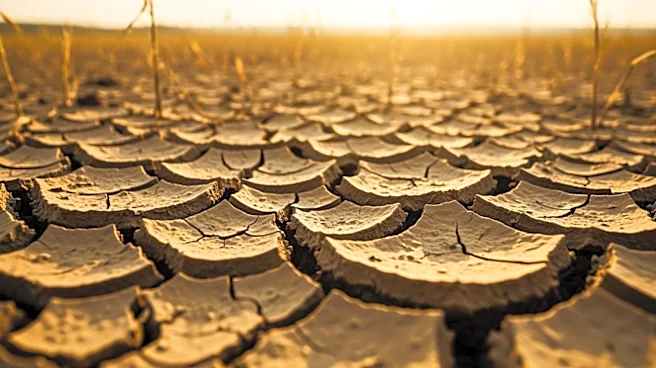
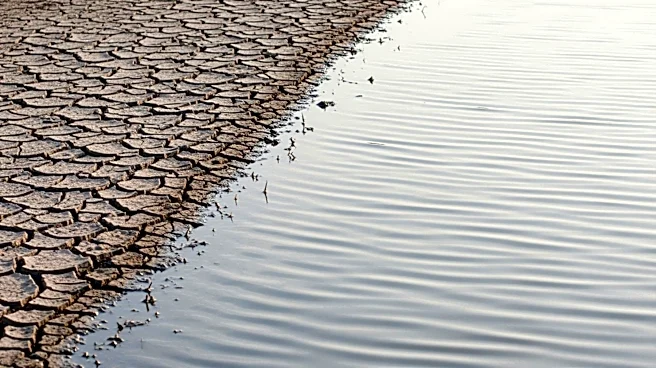
Extreme heat, driven by climate change, is posing significant risks to livestock and fish industries. Livestock experience heat stress above critical temperature thresholds, leading to reduced feed intake and lower yields of milk and eggs. Fish are also
affected, with higher temperatures causing migration and increased mortality. The quality of animal products is declining, impacting manufacturers' margins. Industry adaptations include providing shade, altering feeding patterns, and relocating operations to mitigate the effects of heat stress.
Why It's Important?
The impact of climate change on livestock and fish industries has far-reaching implications for food security and economic stability. As temperatures rise, the productivity and quality of animal products decline, affecting supply chains and profit margins for manufacturers. This situation highlights the urgent need for adaptation strategies to ensure the sustainability of these industries. The potential for reduced yields and quality of animal products could lead to increased prices and supply shortages, affecting consumers and businesses alike.
What's Next?
Industries must continue to adapt to the challenges posed by climate change. This includes implementing infrastructure to manage heat risks, such as water systems and shade structures, and considering long-term strategies like relocating operations or changing livestock species. Policymakers and industry leaders will need to collaborate on solutions to mitigate the impact of extreme heat on agriculture and fisheries, ensuring the resilience of food systems in the face of climate change.