



What's Happening?
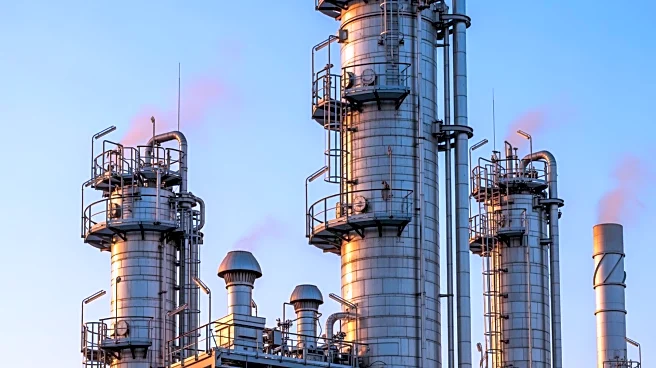
Ghana's only refinery, the Tema Oil Refinery (TOR), has resumed operations after a six-year shutdown. The restart follows extensive rehabilitation and maintenance work supported by the government, aiming to reduce the country's $10.2 billion annual oil
import bill. TOR is expected to meet up to 60% of local fuel demand, potentially saving about $400 million per month in fuel imports. The refinery had been inactive due to aging infrastructure, financial constraints, and operational disruptions, including a fire in 2017.
Why It's Important?
The reopening of TOR is a significant step towards enhancing Ghana's energy security and reducing reliance on imported fuel. By supplying a substantial portion of domestic fuel needs, the refinery can help stabilize supply and mitigate the impact of global market volatility on local fuel prices. This move aligns with a broader trend across Africa, where countries are investing in refining capacity to improve energy self-sufficiency and conserve foreign exchange. However, sustaining operations will require consistent crude supply and financial stability.
What's Next?
While the refinery's restart is a positive development, its long-term success will depend on addressing ongoing challenges such as securing a steady supply of crude oil and ensuring financial viability. The government and stakeholders will need to focus on maintaining operational efficiency and addressing any technical or financial issues that may arise. The success of TOR could serve as a model for other African nations seeking to enhance their refining capabilities.