


What's Happening?
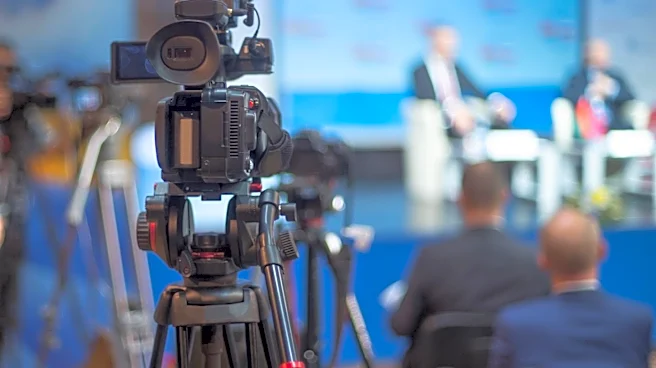
The Chicago Council on Global Affairs is hosting an event to reflect on how the post-9/11 era has transformed American warfare and shaped U.S. national security over the past 25 years. The discussion will feature Lt. General Frank Kearney (Ret.), former
Chief of Staff to the Secretary of Defense Kelly Magsamen, and the Council's Ariane M. Tabatabai, Ph.D. These experts will delve into the lessons learned from the September 11 attacks and consider how those insights should inform future challenges in national security. The program is presented in partnership with the Pritzker Military Museum & Library, indicating a comprehensive review of military and strategic implications. The event aims to provide a platform for understanding the long-term consequences of 9/11 on U.S. defense strategies and foreign policy.
Why It's Important?
The 9/11 attacks fundamentally reshaped U.S. national security policy, leading to significant shifts in military doctrine, intelligence gathering, and international relations. This discussion is important because it offers a critical retrospective on these transformations, evaluating their effectiveness and unintended consequences. Understanding how American warfare has evolved, including the rise of counter-terrorism operations and the use of advanced technology, is crucial for policymakers and the public. The insights from military leaders and national security experts can help identify successful strategies and areas needing reform. Furthermore, reflecting on past lessons is essential for preparing for future threats, which may include cyber warfare, global pandemics, and geopolitical rivalries. The event provides a valuable opportunity to assess the enduring legacy of 9/11 on the U.S. role in global security.
What's Next?
The insights generated from this discussion will likely contribute to ongoing debates about the future direction of U.S. national security policy. As the U.S. navigates a complex global landscape, the lessons from the post-9/11 era will inform strategies for counter-terrorism, defense spending, and international alliances. Policymakers may draw upon these reflections to refine approaches to emerging threats and adapt military capabilities. The event could also influence public discourse on the balance between security and civil liberties, a perennial concern since 9/11. Furthermore, the perspectives shared by the panelists may help shape academic research and strategic planning within defense institutions, ensuring that historical context guides future decision-making in national security. The ongoing evolution of global threats necessitates continuous re-evaluation of past strategies.
Beyond the Headlines
Beyond the immediate policy implications, the discussion on the post-9/11 era touches upon deeper societal and cultural shifts within the United States. The attacks not only altered military and intelligence operations but also influenced public perception of security, privacy, and national identity. The event may implicitly explore how the 'war on terror' has impacted civil liberties, immigration policies, and the role of government surveillance. It also provides an opportunity to examine the psychological and social costs of prolonged conflict and heightened security measures. Understanding these broader impacts is crucial for a holistic view of national security, recognizing that defense strategies extend beyond military might to encompass societal resilience and democratic values. The legacy of 9/11 continues to shape the American experience in profound and multifaceted ways.