








What's Happening?
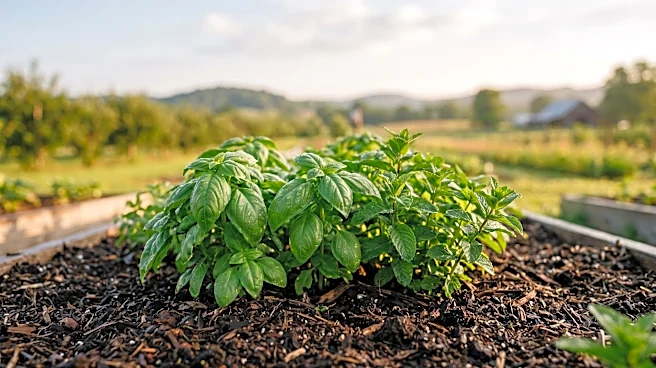
Organic agriculture consistently demonstrates lower ecotoxicity compared to conventional farming methods, meaning it uses chemical inputs that are less harmful to plants, insects, and aquatic life. This is primarily due to the strict avoidance of synthetic
pesticides in organic practices. Studies indicate that organic farming almost always results in much lower ecotoxicity scores. However, a significant challenge for organic farming is its tendency to produce less food per hectare than conventional farming. While organic methods show better performance per unit of land in terms of carbon emissions and water pollution, these advantages diminish when measured per kilogram of food produced. If the world were to transition entirely to organic farming, a substantial increase in agricultural land would be required, potentially leading to the conversion of more forests and natural habitats. This expansion could counteract efforts to reduce greenhouse gas emissions and preserve biodiversity, highlighting a complex trade-off between different environmental impacts.
Why It's Important?
The findings underscore a critical debate within the U.S. agricultural sector and environmental policy regarding sustainable food production. While organic farming offers clear benefits in reducing chemical pollution and supporting local biodiversity, its lower yield per hectare presents a significant hurdle for large-scale adoption without substantial changes in global food consumption patterns. For U.S. consumers, this information clarifies that 'organic' does not automatically equate to a universally superior environmental footprint, especially concerning land use. Policymakers and agricultural businesses must weigh the benefits of reduced ecotoxicity against the increased land demand and potential impact on natural habitats. This tension affects discussions on food security, land conservation, and the economic viability of different farming models, influencing investment in agricultural research and development towards more efficient and environmentally sound practices for both organic and conventional systems.
What's Next?
Future discussions and policy initiatives will likely focus on strategies to enhance the productivity of organic farming systems without compromising their environmental benefits. This could involve increased research into organic farming techniques that boost yields, such as advanced crop rotation, integrated pest management, and soil health improvements. There may also be a push for greater consumer awareness regarding the broader environmental impacts of food choices, including the land use implications of different diets. Stakeholders, including government agencies, agricultural organizations, and environmental groups, will need to collaborate on developing comprehensive approaches that address both ecotoxicity and land efficiency. Furthermore, the findings may stimulate innovation in agricultural technology aimed at minimizing the environmental footprint of all farming types, potentially leading to hybrid approaches that combine the best aspects of organic and conventional methods.
Beyond the Headlines
The nuanced comparison between organic and conventional farming extends beyond immediate environmental metrics to deeper societal and ethical considerations. The reliance of half the global population on synthetic fertilizers for food highlights the immense challenge of transitioning to a 100% organic system without addressing food security. This implies that a wholesale shift to organic farming would necessitate fundamental changes in global dietary habits, particularly a move towards more plant-based, less land-intensive diets, and significant reductions in food waste. The 'carbon opportunity costs' of land use, where land not used for agriculture could otherwise sequester carbon, introduce another layer of complexity to the environmental impact assessment. This perspective suggests that simply reducing emissions from farming might not be enough; the alternative uses of land must also be considered. The debate also touches upon the human element, as the livelihoods of farmers and the accessibility of affordable food are intrinsically linked to agricultural practices.