




What's Happening?
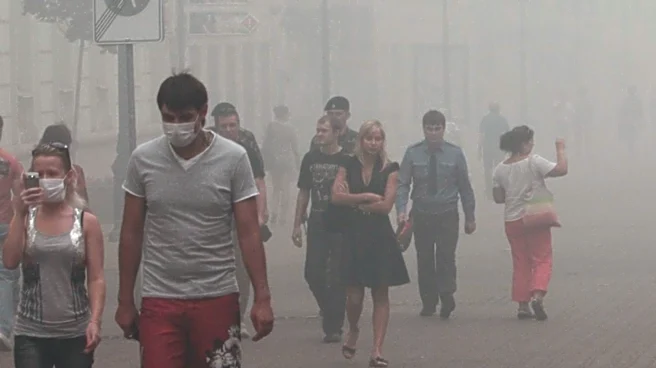
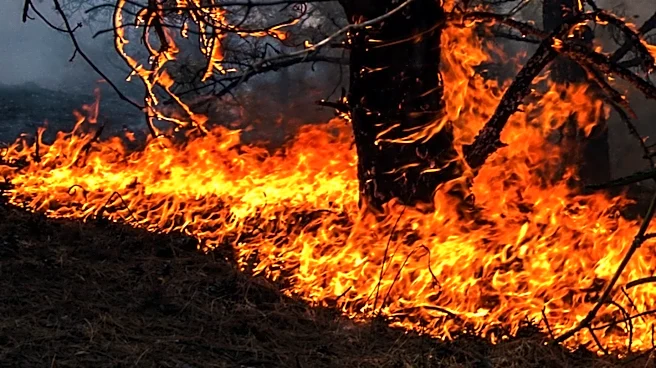
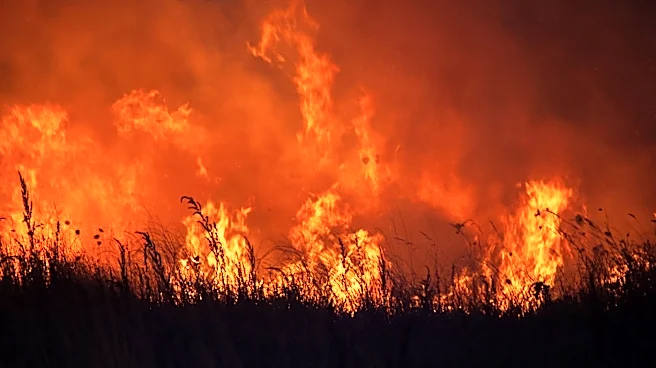
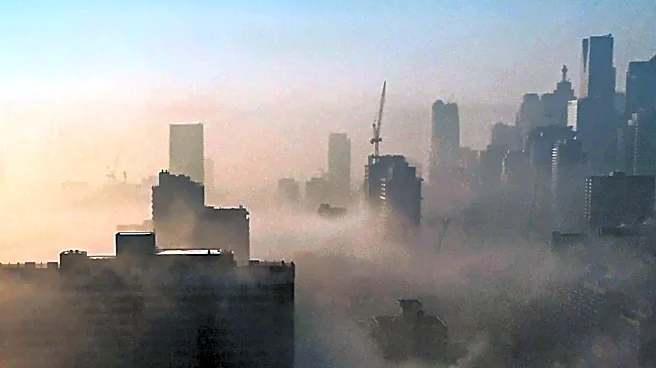
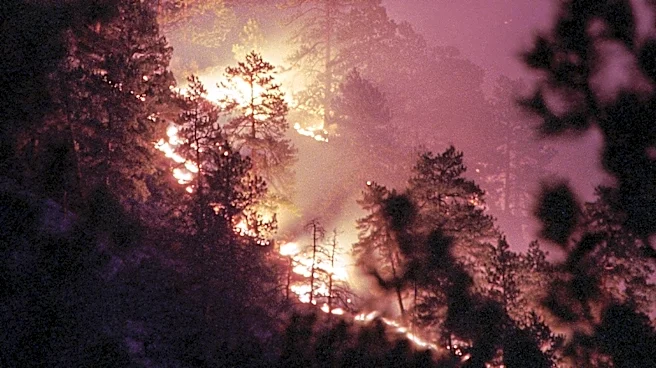
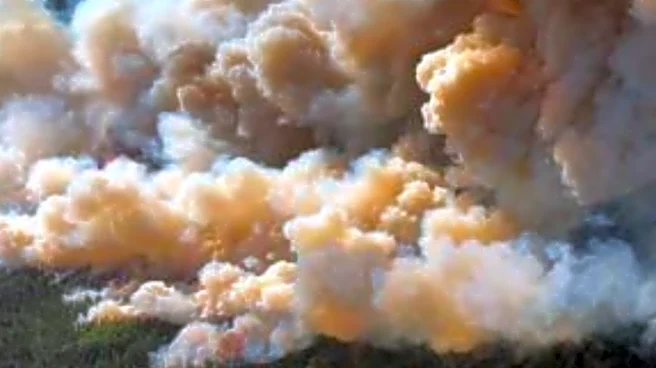
Recent air quality alerts have been issued across several U.S. states due to a combination of smoke from Canadian and regional wildfires, as well as summer ozone pollution. The National Interagency Fire Center reported over 40,560 wildfires in the U.S. this
year, affecting more than 3.8 million acres. States such as Michigan, Minnesota, Iowa, Wisconsin, Illinois, Indiana, Ohio, Oregon, Idaho, Washington, and Colorado have experienced elevated levels of fine particulate pollution (PM2.5) and ozone. These conditions are exacerbated by hot, stagnant air that prevents pollutants from dispersing. The Environmental Protection Agency (EPA) has noted an increase in wildfire smoke concentrations, affecting air quality across larger areas of the country.
Why It's Important?
The health implications of poor air quality are significant, with wildfire smoke containing PM2.5 particles that can penetrate deep into the lungs and enter the bloodstream. This exposure is linked to increased emergency department visits, hospital admissions, and mortality rates. Vulnerable groups include children, the elderly, pregnant individuals, and those with pre-existing health conditions. The economic impact is also substantial, with projections suggesting smoke-related deaths could rise by over 70% by 2050, potentially costing $608 billion annually. The situation underscores the growing threat of wildfires to public health and the need for effective air quality management.
What's Next?
As wildfires continue to increase in frequency and intensity, air quality management will become increasingly critical. Public health officials recommend monitoring air quality forecasts and limiting outdoor activities during high pollution periods. Long-term strategies may involve enhancing wildfire management practices and reducing emissions from other sources to mitigate the compounded effects of smoke and ozone pollution.
Beyond the Headlines
The persistent issue of wildfire smoke highlights broader environmental and public health challenges. It raises questions about climate change's role in increasing wildfire frequency and intensity, as well as the need for comprehensive policies to address air quality and public health. The situation also emphasizes the importance of cross-border cooperation, as smoke from Canadian wildfires significantly impacts U.S. air quality.