





What's Happening?
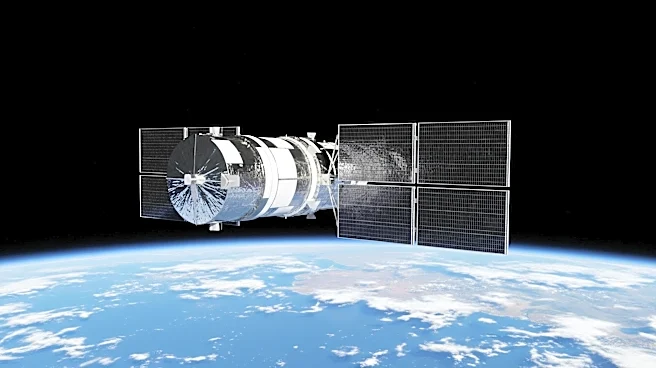
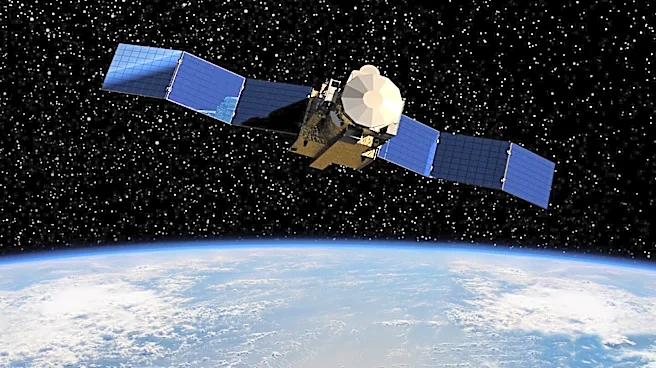
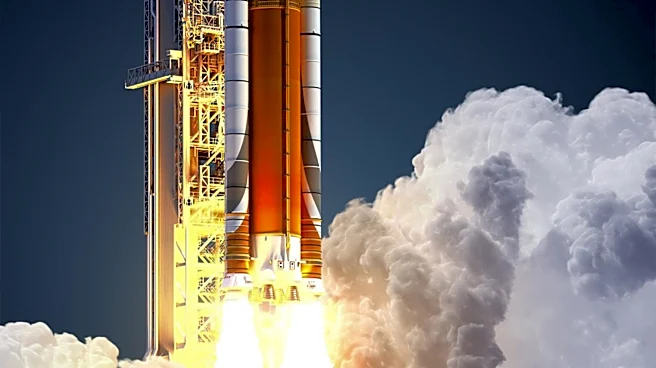
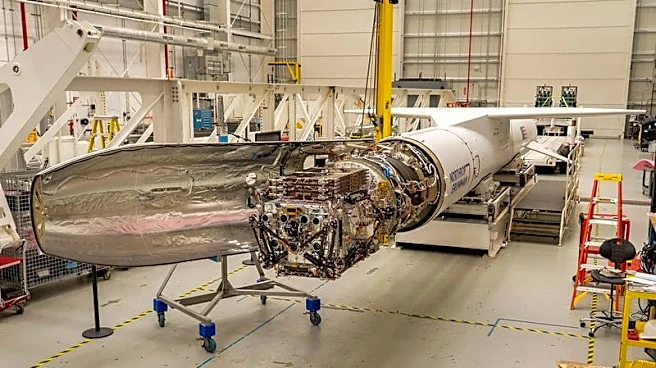
NASA has successfully established communication with Katalyst Space's robotic servicing spacecraft, LINK, which is tasked with raising the orbit of the Neil Gehrels Swift Observatory. This marks LINK's first in-orbit operation following its launch and
separation from Northrop Grumman's Pegasus XL rocket. Over the coming weeks, Katalyst will conduct a series of checks on LINK's propulsion, sensor, and navigation systems. The spacecraft will then approach the 21-year-old Swift Observatory to conduct a survey before capturing and elevating its orbit over several months. NASA plans to provide ongoing updates about the mission on its Swift blog.
Why It's Important?
This mission is significant as it represents a step forward in satellite servicing technology, potentially extending the operational life of the Swift Observatory, which is crucial for studying gamma-ray bursts and other cosmic phenomena. The success of LINK could pave the way for future missions aimed at maintaining and upgrading existing space infrastructure, thereby reducing the need for new satellite launches. This could have substantial economic and environmental benefits, as it may lower costs and minimize space debris. The mission also highlights the growing role of private companies like Katalyst Space in supporting NASA's objectives.
What's Next?
Following the initial contact and system checks, LINK will proceed with its mission to survey and elevate the Swift Observatory's orbit. This process is expected to take several months, during which NASA will continue to monitor and report on the mission's progress. The success of this mission could lead to more collaborations between NASA and private companies for satellite servicing and other space operations. It may also influence future policy and funding decisions regarding space exploration and satellite maintenance.